
Classic Creamy Alfredo Sauce
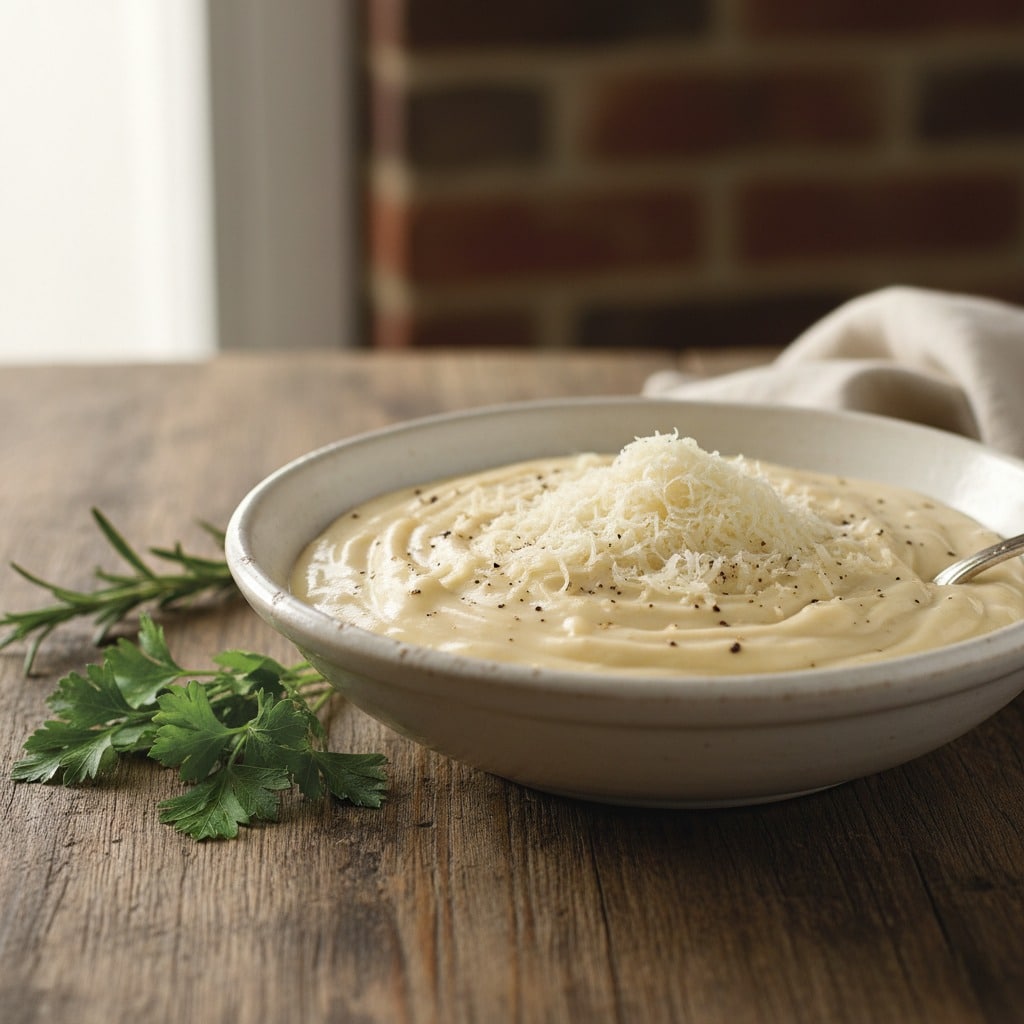
Overview
- Prep Time: 5 minutes
- Cook Time: 10 minutes
- Servings: 4 (makes about 2 cups of sauce)
- Difficulty: Easy
Ingredients
- 1/2 cup (1 stick) unsalted butter
- 2 cups heavy whipping cream
- 3 cloves garlic, finely minced
- 2 cups freshly grated Parmesan cheese (Parmigiano-Reggiano, finely grated)
- 1/4 teaspoon freshly grated nutmeg (optional, for warmth)
- 1/2 teaspoon freshly cracked black pepper (plus more to taste)
- 1/4 teaspoon kosher salt (adjust after adding cheese)
- 2 tablespoons fresh Italian parsley, finely chopped (for garnish)
Instructions
- Melt butter and simmer cream. In a large, deep skillet or saucepan over medium-low heat, melt the unsalted butter. Pour in the heavy cream and bring the mixture to a gentle simmer, stirring occasionally.
- Infuse the garlic. Add the minced garlic, black pepper, and nutmeg to the simmering cream. Cook gently for 3 to 4 minutes, stirring often so the cream does not boil over or scorch, until the mixture reduces and thickens slightly.
- Whisk in the Parmesan. Remove the skillet from the heat. Gradually add the freshly grated Parmesan cheese a handful at a time, whisking constantly after each addition until the cheese melts completely and the sauce becomes smooth and creamy.
- Season and serve. Taste the sauce and add kosher salt if needed (Parmesan is naturally salty, so taste first). Toss immediately with hot cooked pasta, garnishing with chopped parsley and extra black pepper.
Cultural History
The Story Behind Alfredo Sauce: From a Roman Husband’s Kitchen to an American Comfort Classic
Few pasta dishes inspire as much devotion—or culinary debate—as Fettuccine Alfredo. In North America, Alfredo sauce is synonymous with velvety heavy cream, sautéed garlic, butter, and heaps of melted Parmesan cheese draped over tender ribbons of pasta. In Italy, however, ask a local for “Alfredo sauce” and you may be met with polite confusion. The story of how a simple, creamless Italian home remedy crossed the Atlantic, gained Hollywood celebrity status, and transformed into one of the most popular restaurant dishes in the world is a fascinating tale of love, tourism, and culinary adaptation.
Medieval Roots: Pasta al Burro e Parmigiano
Long before the name “Alfredo” was attached to a plate of pasta, Italians were tossing fresh noodles with butter and aged cheese. Combining pasta with burro e parmigiano (butter and Parmesan) dates back at least to the 15th century.
In 1465, Martino da Como—one of the most celebrated Italian chefs of the Renaissance—recorded a recipe in his landmark cookbook Libro de Arte Coquinaria (The Art of Cooking) for maccaroni romaneschi, calling for fresh pasta boiled in broth or water and tossed generously with butter, sweet spices, and grated cheese. For centuries across northern and central Italy, pasta in bianco (“white pasta,” dressed simply with butter and Parmigiano-Reggiano) was considered both an everyday staple and a gentle, nourishing meal prepared for children, the elderly, or anyone recovering from an upset stomach.
Rome, 1908: Alfredo Di Lelio’s Act of Love
The modern legend of Alfredo sauce begins in Rome in 1908 with a restaurateur named Alfredo Di Lelio. According to family and culinary history, Di Lelio’s wife, Ines, had just given birth to their first child and was exhausted, weak, and struggling with a severe loss of appetite.
Determined to tempt her to eat something nourishing, Alfredo went into his kitchen and prepared fresh, handmade egg fettuccine. Instead of using a standard ratio of butter and cheese, he tripled the amount of rich, sweet mountain butter and tossed it vigorously with freshly grated, young Parmigiano-Reggiano and a splash of starchy pasta cooking water. When the butter and cheese emulsified into a glossy, golden coating, Ines loved it—and immediately told him that if she didn’t finish the whole plate, he should serve it to the customers at his small trattoria on Piazza Rosa.
Hollywood Royalty Makes Alfredo Famous
Alfredo Di Lelio soon opened his own restaurant, Alfredo alla Scrofa, on Via della Scrofa in central Rome, where he turned tossing the pasta tableside with a solid gold fork and spoon into a theatrical dining experience.
For over a decade, the dish remained a beloved local specialty—until 1920, when two of the biggest movie stars on the planet arrived in Rome on their honeymoon: silent film icons Mary Pickford and Douglas Fairbanks. Dining at Alfredo’s restaurant, the Hollywood couple fell completely in love with the rich, silky fettuccine. When they returned to Rome a few years later, they gifted Alfredo a solid gold fork and spoon engraved with the inscription: “To Alfredo the King of the Noodles.”
Word spread quickly through Hollywood circles and American newspapers. Throughout the 1920s and 1930s, visiting Alfredo’s in Rome became a mandatory stop for American celebrities, politicians, and tourists—including Bing Crosby, Sophia Loren, and John F. Kennedy. When travelers returned to the United States, they raved about “Fettuccine Alfredo,” sparking demand for the dish in Italian-American restaurants.
Crossing the Atlantic: Why American Alfredo Uses Heavy Cream
When chefs in the United States attempted to recreate Alfredo’s Roman masterpiece, they ran into a practical kitchen problem.
In Rome, authentic Fettuccine all’Alfredo relied on just three ingredients:
- Freshly rolled, high-egg pasta
- High-butterfat European butter
- Authentic, aged Parmigiano-Reggiano
Because authentic Parmigiano-Reggiano and fresh egg pasta were expensive or difficult to source consistently in mid-20th-century American kitchens, chefs had to improvise. Standard American domestic Parmesan was drier and did not melt smoothly into butter alone; without the right starch-and-butterfat balance, the cheese would clump and turn oily as soon as the plate cooled slightly.
To solve this, American chefs introduced heavy whipping cream (and often garlic, black pepper, or parsley) into the pan. Heavy cream stabilized the emulsion, prevented the cheese from separating, kept the sauce rich and pourable even as it cooled on the plate, and suited American diners’ love for generous, saucy pasta dishes. By the 1970s and 1980s, jarred Alfredo sauces and creamy restaurant versions—often paired with grilled chicken, shrimp, or broccoli—cemented creamy Alfredo sauce as a staple of American comfort food.
Two Traditions, One Beloved Dish
Today, both versions of Alfredo continue to thrive side by side:
- In Rome: Restaurants like Il Vero Alfredo (run by Di Lelio’s descendants) and Alfredo alla Scrofa still serve the traditional, creamless Fettuccine all’Alfredo—a masterclass in technique where hot pasta water, butter, and aged Parmigiano-Reggiano create a delicate, glossy emulsion.
- Around the World: Creamy Alfredo sauce has become a global favorite in its own right—quick to whip up in 15 minutes on a weeknight, endlessly adaptable with proteins and vegetables, and beloved for its indulgent, velvety texture.
Whether made the classic Roman way with three simple ingredients or simmered with heavy cream, butter, garlic, and Parmesan in a modern home kitchen, Alfredo sauce remains a timeless tribute to how simple, honest ingredients can turn into comfort food magic.
-
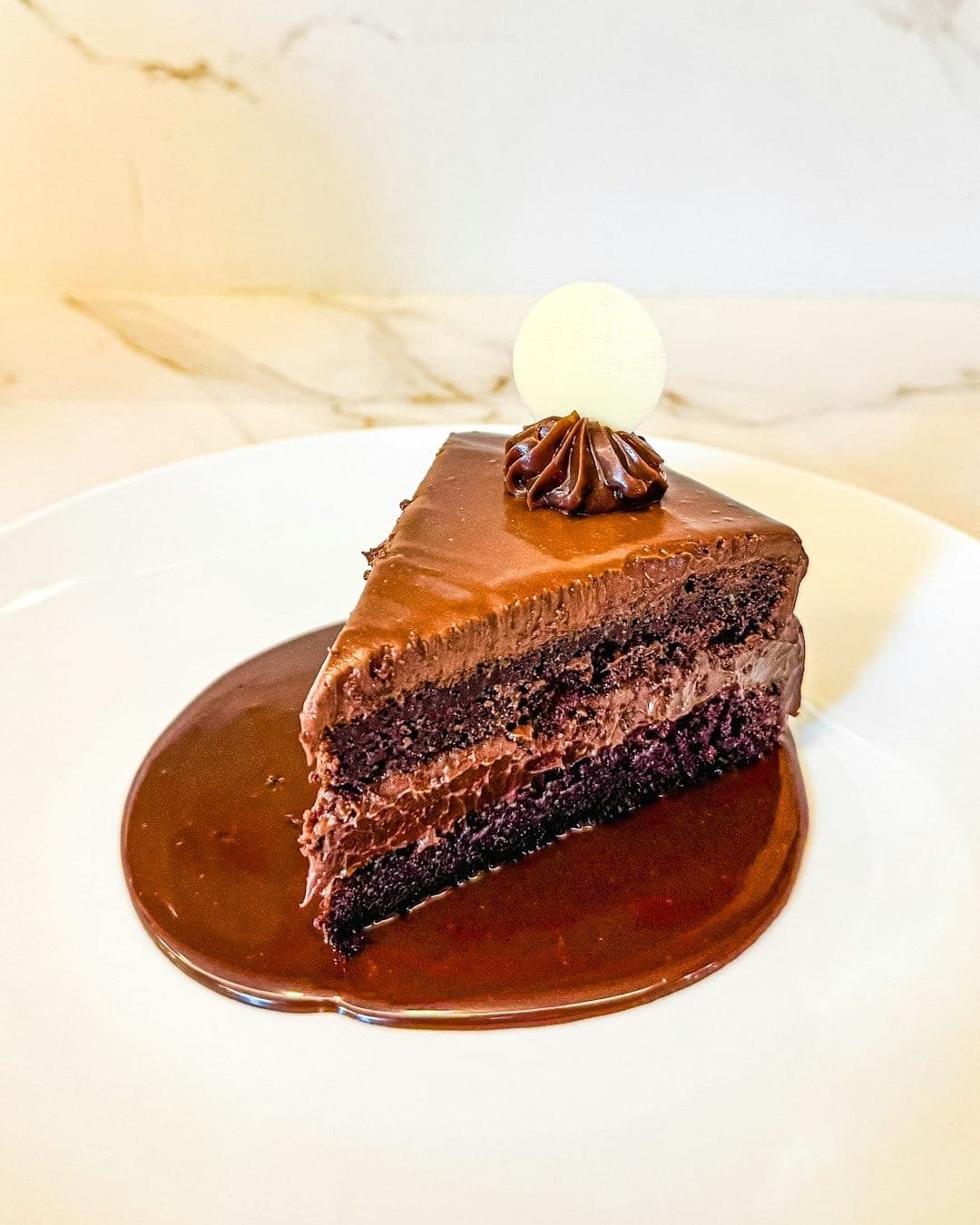
Classic Moist Chocolate Layer Cake
Classic Moist Chocolate Layer Cake Classic Moist Chocolate Layer Cake Overview Ingredients For the Chocolate…
-
Classic Creamy Alfredo Sauce
Classic Creamy Alfredo Sauce Overview Ingredients Instructions Cultural History The Story Behind Alfredo Sauce: From…
-
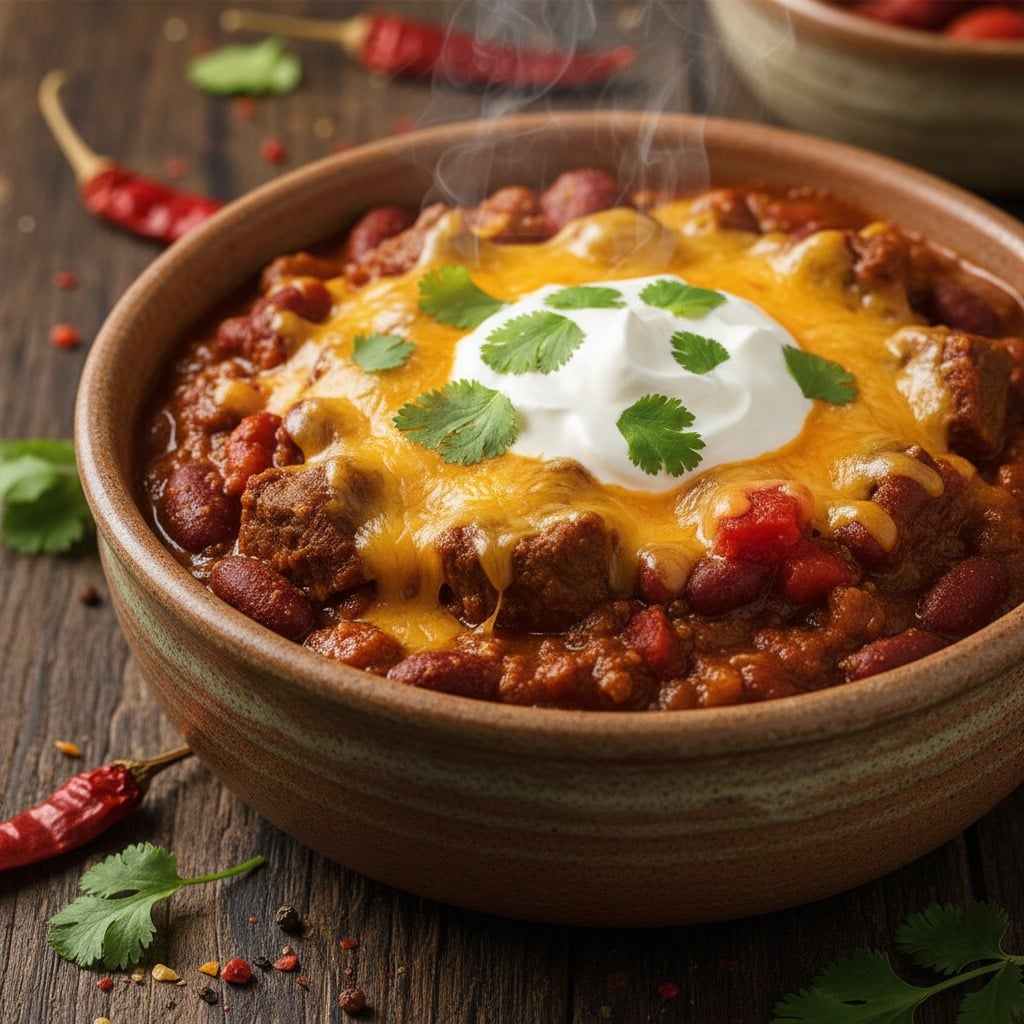
Classic Beef Chili Con Carne
Classic Beef Chili Con Carne Overview Ingredients Instructions Cultural History The Origins and Evolution of…

Leave a Reply