
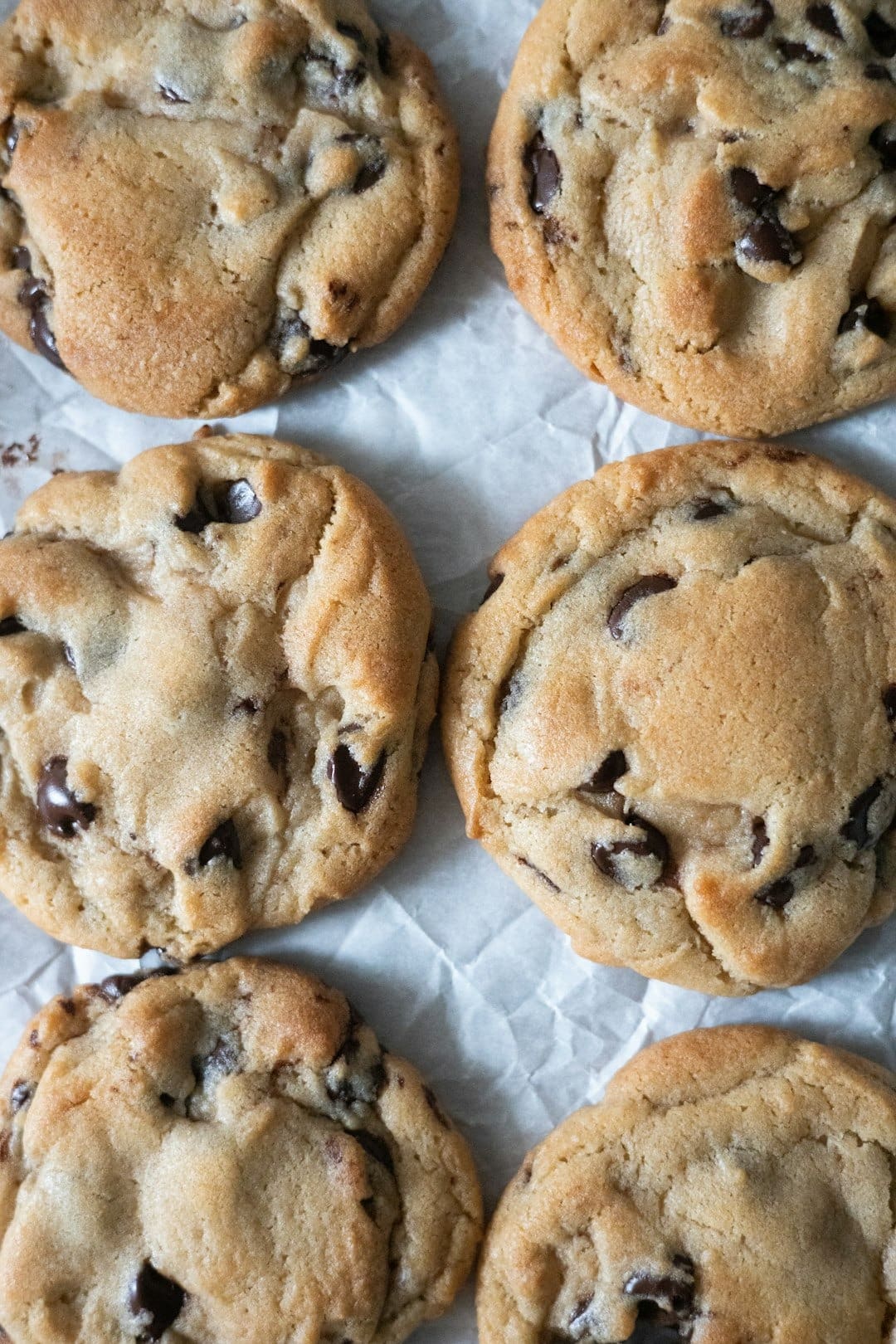
Classic Chewy Chocolate Chip Cookies
Overview
- Prep Time: 15 minutes
- Cook Time: 10 to 12 minutes per batch
- Servings: About 24 cookies
- Difficulty: Easy
Ingredients
- 1 cup (2 sticks) unsalted butter, softened to room temperature
- 1 cup light brown sugar, packed
- 1/2 cup granulated white sugar
- 2 large eggs, at room temperature
- 2 teaspoons pure vanilla extract
- 2 and 3/4 cups all-purpose flour
- 1 teaspoon baking soda
- 1/2 teaspoon baking powder
- 1 teaspoon fine sea salt
- 2 cups semi-sweet chocolate chips (plus a few extra for pressing on top)
Instructions
- Prep the oven and pans. Preheat your oven to 350°F (175°C). Line two large baking sheets with parchment paper or silicone baking mats.
- Cream the butter and sugars. In a large bowl, beat the softened butter, brown sugar, and white sugar together with a mixer (or sturdy wooden spoon) for 2 minutes until smooth and creamy.
- Add eggs and vanilla. Beat in the eggs one at a time until fully incorporated, then mix in the vanilla extract. Scrape down the sides of the bowl so everything blends evenly.
- Combine dry ingredients. In a separate medium bowl, whisk together the flour, baking soda, baking powder, and salt.
- Form the dough. Gradually add the dry ingredients to the wet mixture, stirring on low speed or by hand just until no white flour streaks remain. Gently fold in the chocolate chips.
- Scoop the dough. Scoop rounded portions of dough (about 2 tablespoons each) onto the prepared baking sheets, spacing them 2 inches apart so they have room to spread.
- Bake until edges are golden. Bake for 10 to 12 minutes until the edges are lightly browned and set, while the centers still look pale and slightly soft.
- Cool on the pan. Remove from the oven and immediately press a few extra chocolate chips onto the warm tops for a bakery look. Let the cookies cool on the hot baking sheet for 5 minutes to firm up before transferring them to a wire rack.
Cultural History
The cultural history of the chocolate chip cookie is a uniquely American narrative that bridges the gap between home-kitchen resourcefulness, mid-century industrial marketing, and global culinary icon status. Unlike many historic pastries born in royal courts or refined by master European bakers, the chocolate chip cookie was an accidental invention that evolved into a ubiquitous symbol of comfort, nostalgia, and domestic warmth.
The story begins in the winter of 1938 at the Toll House Inn, located in Whitman, Massachusetts. The inn was owned and operated by Ruth Wakefield and her husband, Kenneth. The Toll House Inn was renowned for its colonial charm and Wakefield’s exceptional home-style cooking, which drew travelers journeying between Boston and New Bedford. Wakefield, a graduate of the Framingham State Normal School Department of Household Arts, was an accomplished culinary professional who formulated her own recipes and eventually published a successful cookbook titled Toll House Tried and True Recipes.
According to popular culinary lore, it was during this period that Wakefield was preparing a batch of her Butter Drop Dooley cookies, a colonial-era recipe that called for baker’s chocolate. As the legend goes, Wakefield discovered she was out of standard baker’s chocolate and instead grabbed a bar of semi-sweet chocolate created by Andrew Nestlé, courtesy of a recent gift from the company’s namesake. Chopping the chocolate bar into small chunks, she expected the pieces to melt uniformly into the cookie dough during baking, much like grated chocolate would. Instead, because of the specific cocoa butter content and manufacturing process of the semi-sweet bar, the chunks retained their form, creating pockets of soft, melted chocolate suspended within a buttery, brown-sugar-rich dough.
Whether the event happened precisely by accident or through calculated experimentation, the resulting cookie was an immediate sensation among the inn’s patrons. Wakefield dubbed the creation the Toll House Crunch cookie, and it quickly became the signature offering of the establishment.
The cultural breakthrough of the cookie, however, accelerated rapidly due to a clever business arrangement between Wakefield and the Nestlé company. In 1939, Wakefield and Nestlé struck a deal. Nestlé would print the Toll House cookie recipe on the packaging of their semi-sweet chocolate bars, and in exchange, Wakefield received a lifetime supply of chocolate and, according to most accounts, the symbolic sum of one dollar—though later folklore often romanticized the financial transaction. To facilitate the baking process, Nestlé soon began scoring the chocolate bars into small squares for easier breaking, and by 1939, they introduced the “Toll House Morsel,” the pre-formed chocolate chip that revolutionized home baking.
During World War II, the cultural footprint of the chocolate chip cookie expanded exponentially. Soldiers stationed abroad from all over the United States received care packages from home filled with homemade baked goods. Because chocolate chip cookies traveled exceptionally well and retained their moisture and flavor for weeks, millions of servicemen received them. Accounts from veterans frequently highlight how sharing these cookies in the barracks fostered a profound sense of camaraderie and homesickness mitigation. Consequently, mothers, wives, and sweethearts across the country began baking the Toll House recipe in unprecedented quantities, cementing the cookie’s association with patriotism, care, and maternal affection.
In the post-war era of the 1950s and 1960s, the chocolate chip cookie transitioned from a regional New England novelty into a national staple. As suburbanization took hold and processed foods became dominant in American supermarkets, baking transformed from a daily necessity into a leisure activity and a marker of domestic idealism. The Toll House recipe became a foundational text of American culinary culture, frequently taught in middle-school home economics classes and passed down through generations as a family heirloom.
By the late 1970s and 1980s, the chocolate chip cookie underwent a commercial renaissance that shifted its cultural identity from purely homemade to artisanal and mass-marketed. This era gave rise to the gourmet cookie store phenomenon. Entrepreneurs like Wally Amos, who founded Famous Amos in 1975, and Debbi Fields, who opened Mrs. Fields in 1977, transformed the humble cookie into a luxury indulgence. These stores utilized the sensory marketing of warm, freshly baked cookies, diffusing rich aromas into shopping malls and transforming street corners. The message was clear: the comfort of a homemade cookie could now be purchased instantly outside the home.
Simultaneously, the industrial food complex embraced the chocolate chip cookie on a massive scale. Brands like Chips Ahoy!, introduced by Nabisco in 1963, made the cookie shelf-stable and universally accessible in grocery store aisles. A profound cultural debate emerged—and persists to this day—concerning the superiority of the crispy, commercially manufactured cookie versus the soft, chewy, homemade variety. This dichotomy reflects broader cultural tensions in modern food history regarding convenience versus authenticity.
As the twentieth century drew to a close, the chocolate chip cookie became a canvas for culinary innovation and regional identity. Bakers across the globe began experimenting with variations: adding sea salt to contrast the sweetness, substituting brown butter for depth of flavor, incorporating exotic chocolates from single-origin cacao beans, or altering the ratio of brown to white sugar to achieve specific textural outcomes. The pursuit of the “ultimate” chocolate chip cookie became a fixation for food writers, celebrity chefs, and home bakers alike, spawning endless newspaper columns, blog posts, and cookbook chapters dedicated to scientific optimization.
Furthermore, the chocolate chip cookie achieved significant status in popular culture and media. It became a shorthand symbol for American culture abroad, a staple of television tropes where a glass of milk and a plate of warm cookies signifies safety or a maternal apology, and the central subject of countless urban legends, such as the famous, albeit apocryphal, Neiman Marcus cookie recipe scam.
Today, the cultural history of the chocolate chip cookie reflects the broader evolution of modern foodways. It is a testament to the power of accidental discovery, the efficacy of mid-century industrial branding, and the enduring human desire for comfort and nostalgia. From a roadside New England inn to international supermarkets, military care packages, and gourmet bakeries, the chocolate chip cookie remains a universally recognized artifact of comfort, bridging divides of age, geography, and culture through the simple, enduring combination of butter, sugar, flour, and chocolate.
-
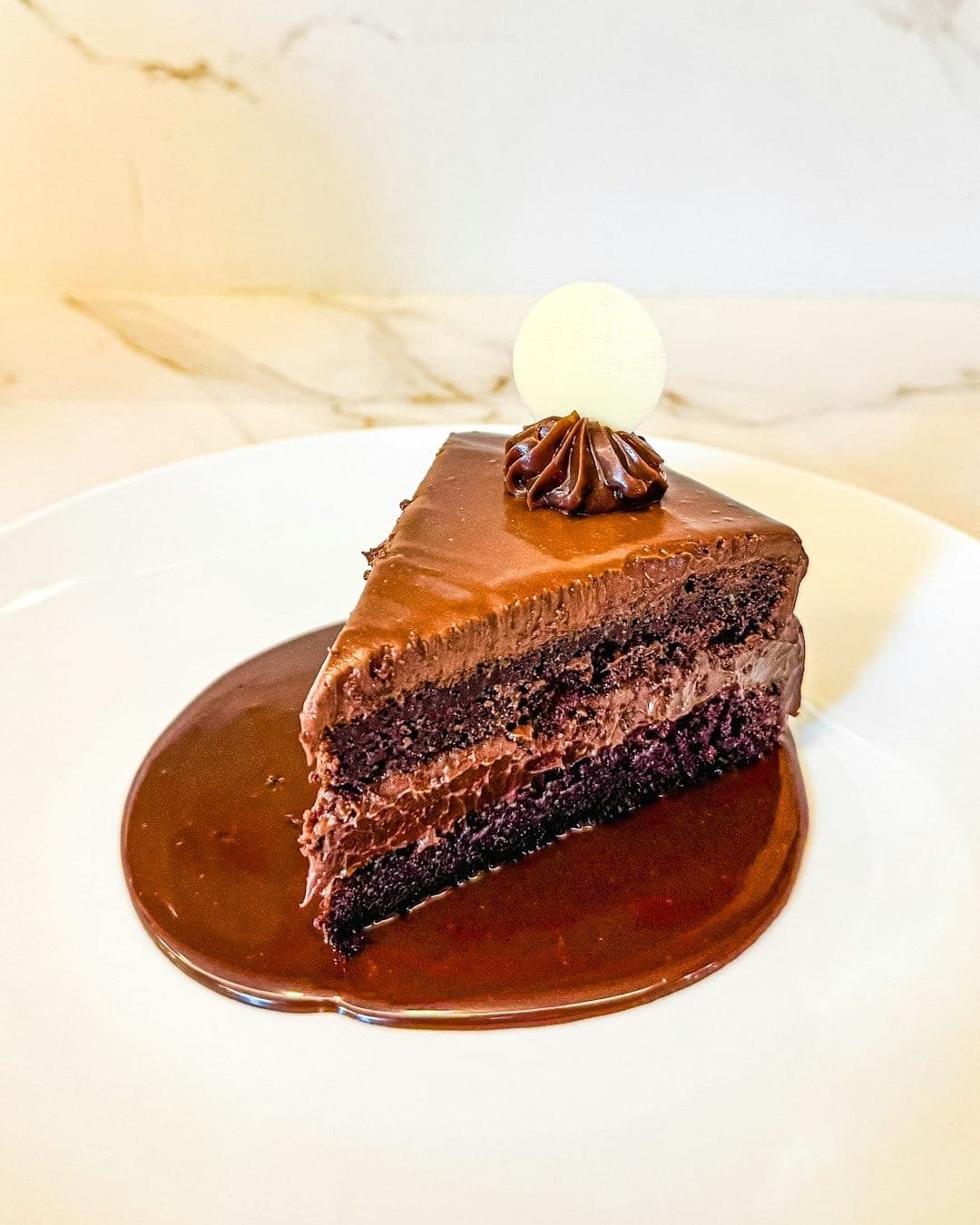
Classic Moist Chocolate Layer Cake
Classic Moist Chocolate Layer Cake Classic Moist Chocolate Layer Cake Overview Ingredients For the Chocolate…
-
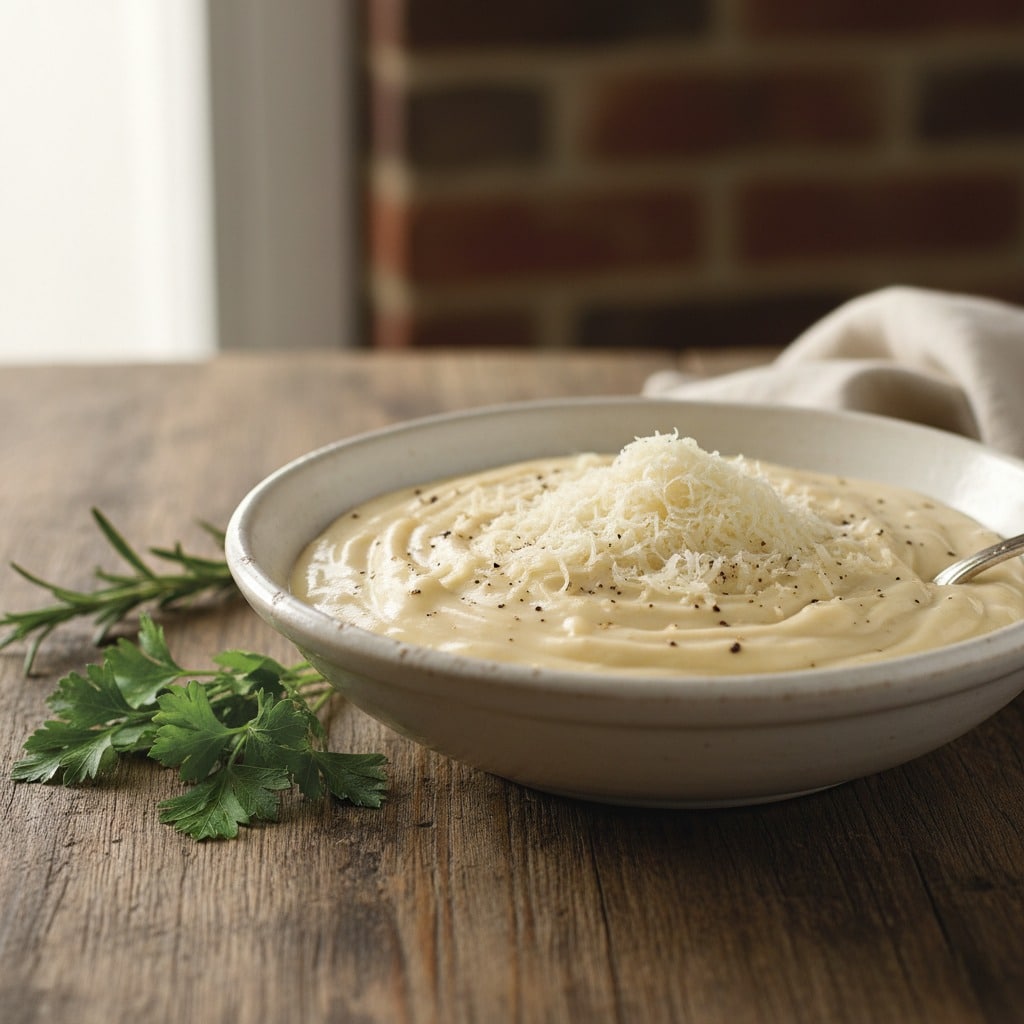
Classic Creamy Alfredo Sauce
Classic Creamy Alfredo Sauce Overview Ingredients Instructions Cultural History The Story Behind Alfredo Sauce: From…
-
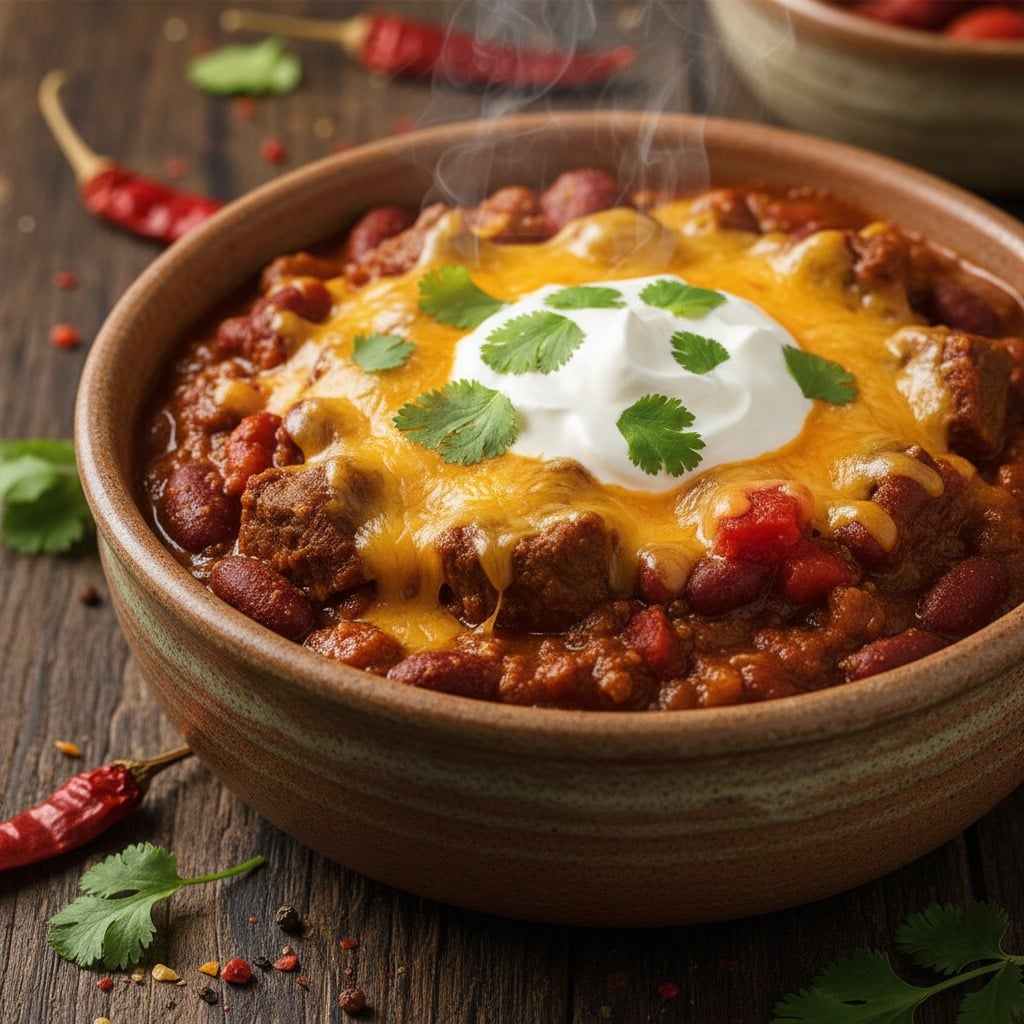
Classic Beef Chili Con Carne
Classic Beef Chili Con Carne Overview Ingredients Instructions Cultural History The Origins and Evolution of…

Leave a Reply