
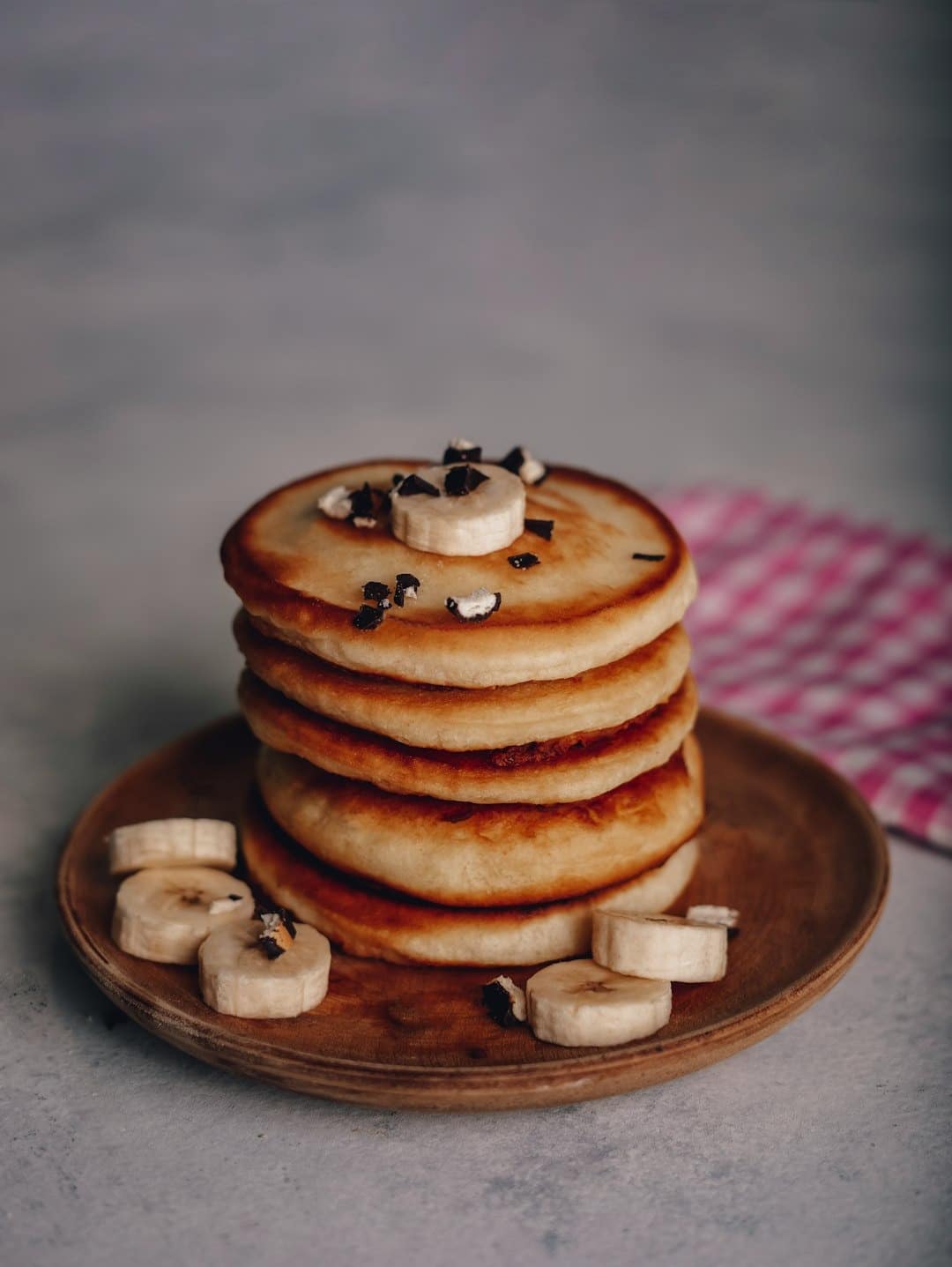
Classic Fluffy Pancakes
Overview
- Prep Time: 10 minutes
- Cook Time: 10 to 15 minutes
- Servings: 8 to 10 pancakes
- Difficulty: Easy
Ingredients
- 1 and 1/2 cups all-purpose flour
- 3 and 1/2 teaspoons baking powder
- 1 tablespoon granulated white sugar
- 1/4 teaspoon salt
- 1 and 1/4 cups whole milk (or 2% milk), at room temperature
- 1 large egg, at room temperature
- 3 tablespoons unsalted butter, melted and slightly cooled (plus extra for the griddle)
- 1 teaspoon pure vanilla extract (optional)
Instructions
- Whisk the dry ingredients. In a large mixing bowl, whisk together the flour, baking powder, sugar, and salt until evenly combined.
- Mix the wet ingredients. In a separate bowl or large measuring cup, whisk together the milk, egg, melted butter, and vanilla extract until smooth.
- Combine the batter. Pour the wet ingredients into the dry ingredients. Gently stir with a spatula or wooden spoon just until the flour disappears—a few small lumps in the batter are completely fine and keep the pancakes fluffy.
- Rest the batter. Let the batter sit for 5 minutes while you heat your pan so the baking powder can activate.
- Heat the griddle. Warm a nonstick skillet or griddle over medium-low to medium heat. Lightly brush the surface with a little butter or oil.
- Cook the pancakes. Pour about 1/4 cup of batter onto the griddle for each pancake. Cook for 2 to 3 minutes until bubbles form across the surface and pop, and the edges look set and lightly golden.
- Flip and finish. Slide a spatula underneath and flip each pancake. Cook for another 1 to 2 minutes until the underside is golden brown and the center is cooked through. Serve warm with butter and maple syrup
Cultural History
Few foods are as universally beloved, ancient, and deceptively simple as the pancake. Across virtually every human culture, the basic premise remains the same: a batter of milled grain and liquid, cooked on a hot, greased surface. Yet, this humble culinary canvas has absorbed the flavors, traditions, and symbolic meanings of thousands of distinct societies. From the buckwheat galettes of Brittany to the fluffy buttermilk stacks of America, the pancake is a edible reflection of human agricultural history, global trade, and domestic comfort.
Ancient Roots: The Prehistoric Griddle
Long before the invention of the oven, humans were cooking flat, round cakes. Archaeological evidence suggests that the earliest iteration of the pancake dates back to the Stone Age, roughly 30,000 years ago during the Upper Paleolithic era. Starch residue found on grinding stones indicates that ancient humans pulverized cattails and ferns, mixed the flour with water, and cooked the resulting paste on hot stones embers.
These prehistoric flatbreads were a matter of survival, providing a dense, portable source of calories. As human societies transitioned from hunter-gatherer bands to settled agriculturalists, the pancake evolved alongside the cultivation of cereal crops. In ancient Greece and Rome, similar flat cakes were made from wheat flour, olive oil, honey, and curd, and were celebrated in poetry. Cratinus and Magnes, ancient Greek playwrights, wrote of pancakes sizzling on the morning griddle, often sweetened with honey and served as breakfast or street food.
Religious Significance and Shrovetide Traditions
As Christianity spread through Europe, the pancake became deeply intertwined with the liturgical calendar, most notably with Shrove Tuesday, or Pancake Day. Falling immediately before the solemn fasting season of Lent, Shrove Tuesday was the last opportunity to consume rich foods—such as eggs, milk, butter, and sugar—that were traditionally forbidden during the forty days of fasting.
Housewives would clear their pantries of these perishable items by baking large batches of pancakes. This tradition gave rise to vibrant cultural festivities across the British Isles and the Commonwealth. In towns like Olney, Buckinghamshire, an annual pancake race has been held since 1445, where participants—traditionally women wearing aprons and headscarves—race down the street while expertly flipping a pancake in a frying pan.
In Russia, pancakes take center stage during Maslenitsa, a pagan-rooted, pre-Lenten sun festival. Here, the traditional pancake is the *blin* (plural: *blini*). Made from yeast-leavened batter, round and golden, the blin was historically seen as a symbol of the sun, celebrating the imminent return of warmth and spring after a harsh winter. Russians would eat blini topped with butter, sour cream, and caviar, participating in communal feasts, sleigh rides, and the ceremonial burning of a straw effigy representing winter.
Global Variations: A World of Batters
While Europe developed egg- and dairy-rich batters, other cultures engineered entirely unique pancake traditions based on local agriculture and climate.
Asia: Fermented Flavors and Scallions
In Asia, the concept of the pancake took diverse forms. In China, the *congyoubing* (scallion pancake) is made from a laminated dough rather than a pourable batter, rolled with sesame oil and minced green onions to create flaky, savory layers with a chewy interior. Meanwhile, in South India, the *dosa* reigns supreme. Made from a fermented batter of soaked rice and black lentils, the dosa is crisped to perfection on a large cast-iron griddle and typically served folded around a spiced potato filling (*masala*). The fermentation process, crucial to many Asian flatbreads, predates modern refrigeration and aids in digestion while imparting a complex, sour tang.
The Americas: Corn, Buckwheat, and Buttermilk
Before European colonization, indigenous peoples of the Americas were already making griddle cakes from ground maize. Early European settlers quickly adopted corn-based cakes, known variously as johnnycakes, hoecakes, or journey cakes, which became a staple of the American frontier due to their longevity and ease of preparation on an open hearth.
As the United States industrialized in the 19th century, the invention of baking powder revolutionized the American pancake. No longer reliant on yeast fermentation or beaten egg whites for lift, home cooks could produce thick, fluffy cakes almost instantly. The introduction of commercial self-rising flours and pre-packaged mixes, popularized by brands like Aunt Jemima in the late 1800s, cemented the pancake as an icon of American convenience and comfort food.
Further north, in Canada and the northeastern United States, the pancake is inextricably linked to the boreal forest through the production of maple syrup. Indigenous nations of the region taught European settlers how to tap sugar maple trees and boil down the sap into syrup—a pairing that remains one of the defining flavor combinations in culinary history.
Europe’s Continental Adaptations
Across continental Europe, pancakes evolved along distinct regional lines. In France, the thin, delicate *crêpe*—originating in the region of Brittany—became an art form. While sweet crêpes are dusted with sugar and lemon or smeared with chocolate-hazelnut spread, the savory *galette de sarrasin* (made from gluten-free buckwheat flour) is filled with ham, cheese, and a runny egg, forming a complete meal.
In Central Europe, the Austro-Hungarian Empire gave rise to the *palačinka*, a thin crepe-like pancake rolled with jam or ground walnuts, and the *Kaiserschmarrn*, a thick, fluffy pancake that is torn into bite-sized pieces while cooking and caramelized with sugar and raisins, named famously in honor of Emperor Franz Joseph I.
Modern Evolution: From Comfort Food to Global Canvas
In the contemporary culinary landscape, the pancake has undergone a renaissance. Far from being relegated to Sunday morning home cooking, it has become a staple of global cafe culture. Trends such as Japanese soufflé pancakes—towering, meringue-based pillows that wobble enticingly on the plate—have taken social media and urban food scenes by storm.
Furthermore, dietary shifts have transformed the humble pancake into a vehicle for health and wellness. Modern kitchens frequently substitute traditional wheat flour and refined sugar with plant-based alternatives like oat flour, chickpea flour, mashed bananas, and protein powders, catering to vegan, gluten-free, and fitness-oriented lifestyles.
Conclusion
The history of the pancake is, in many ways, the history of civilization itself. It is a story of adaptation, resourcefulness, and the universal human desire to transform basic grains into something warm, comforting, and celebratory. Whether it is a savory Korean *pajeon* enjoyed on a rainy day, a golden Russian *blin* welcoming the spring, or a tall stack of buttermilk pancakes dripping with maple syrup on a quiet weekend morning, the pancake transcends borders. It remains a testament to the fact that some of the greatest culinary joys are also the simplest.
-
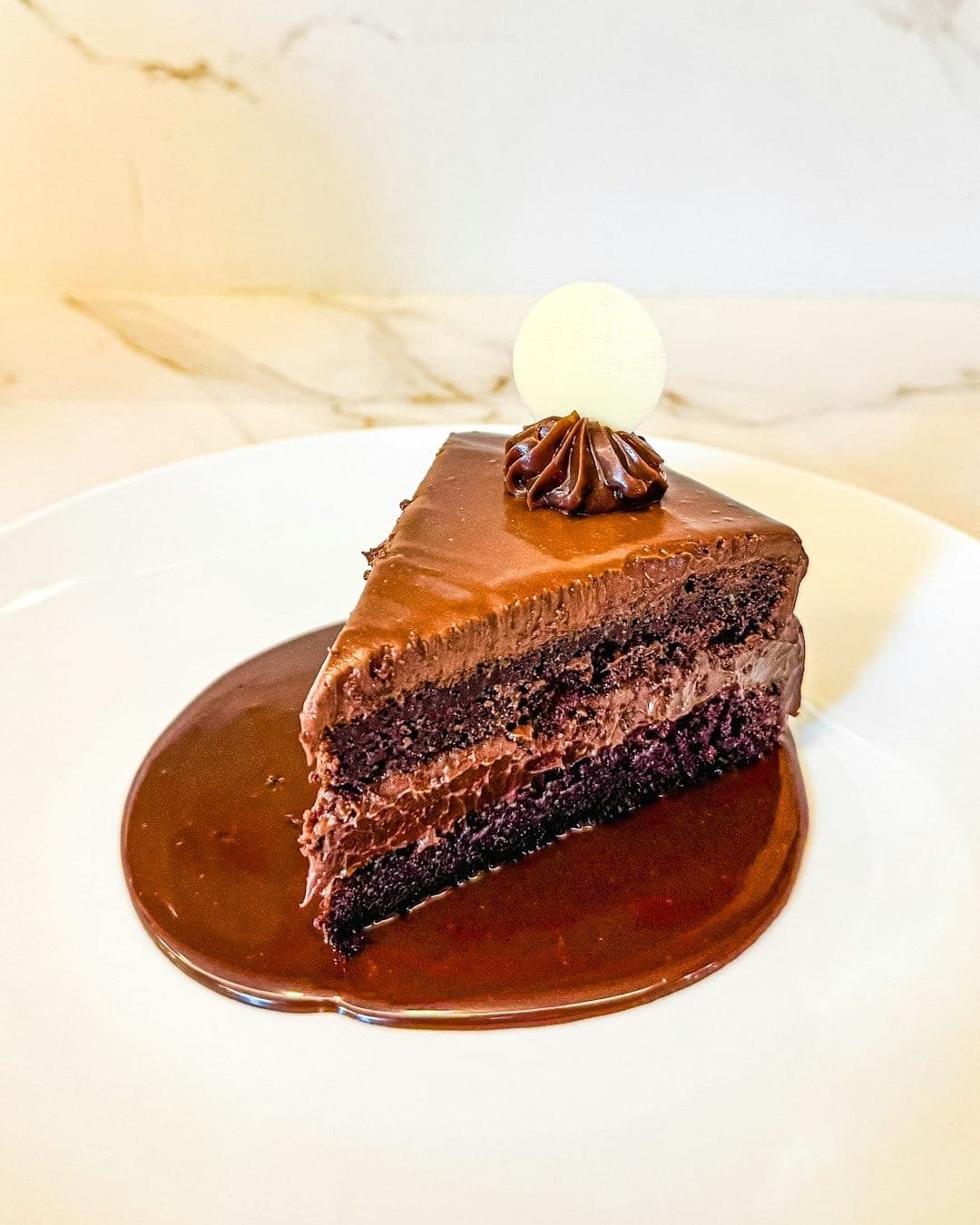
Classic Moist Chocolate Layer Cake
Classic Moist Chocolate Layer Cake Classic Moist Chocolate Layer Cake Overview Ingredients For the Chocolate…
-
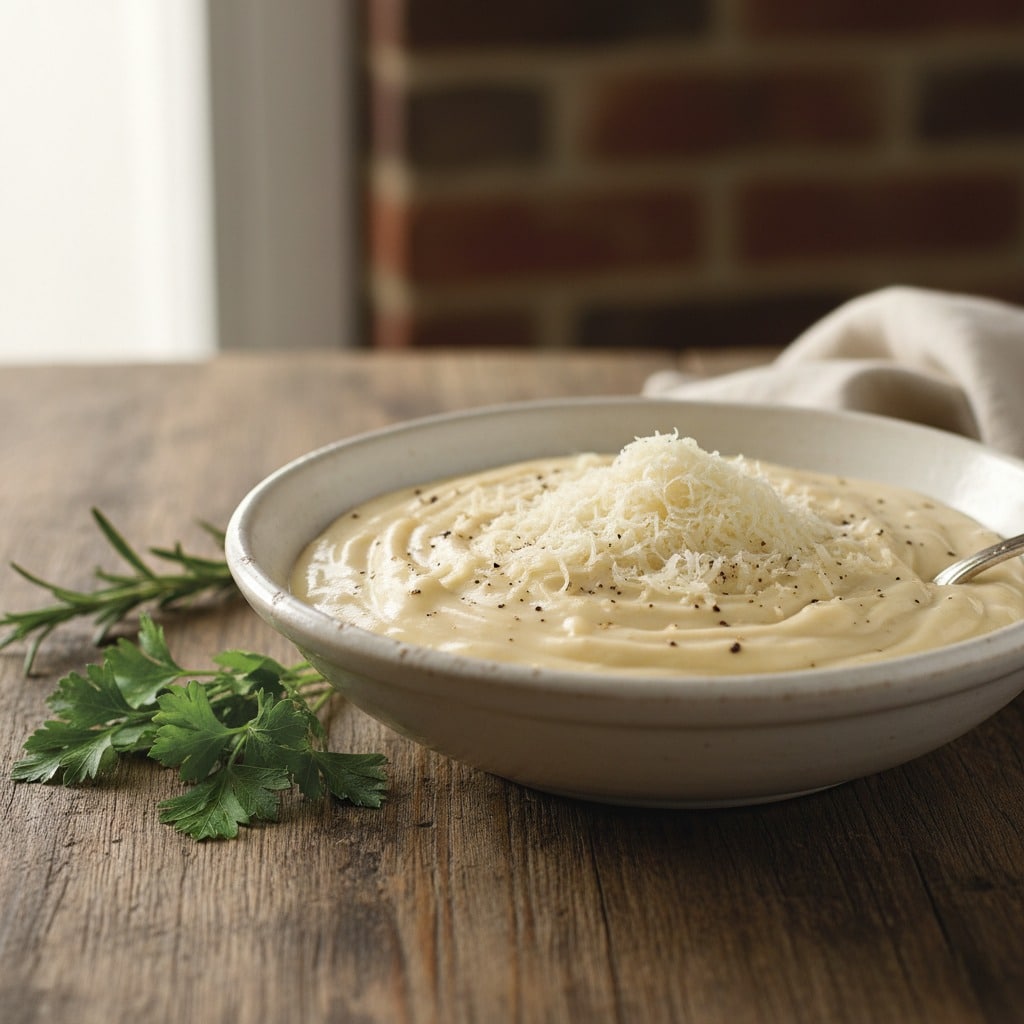
Classic Creamy Alfredo Sauce
Classic Creamy Alfredo Sauce Overview Ingredients Instructions Cultural History The Story Behind Alfredo Sauce: From…
-
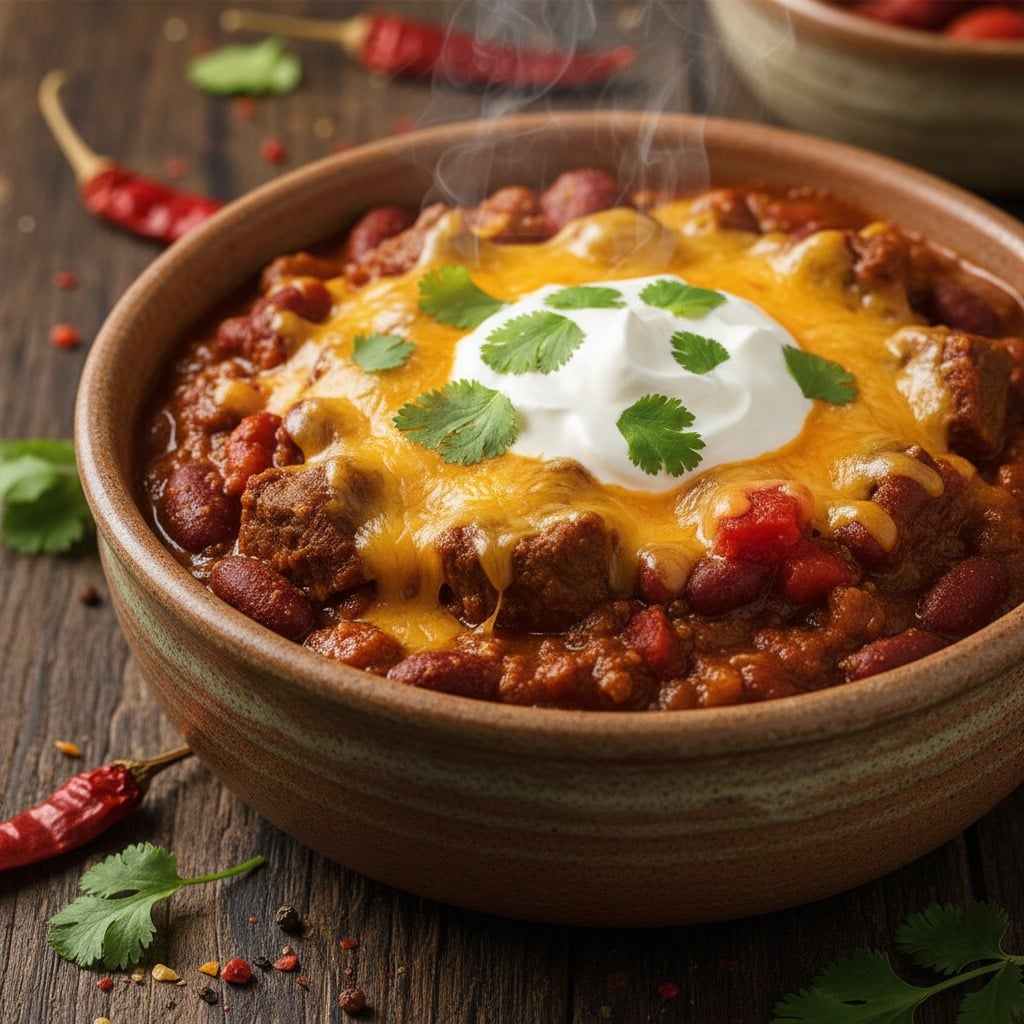
Classic Beef Chili Con Carne
Classic Beef Chili Con Carne Overview Ingredients Instructions Cultural History The Origins and Evolution of…

Leave a Reply