
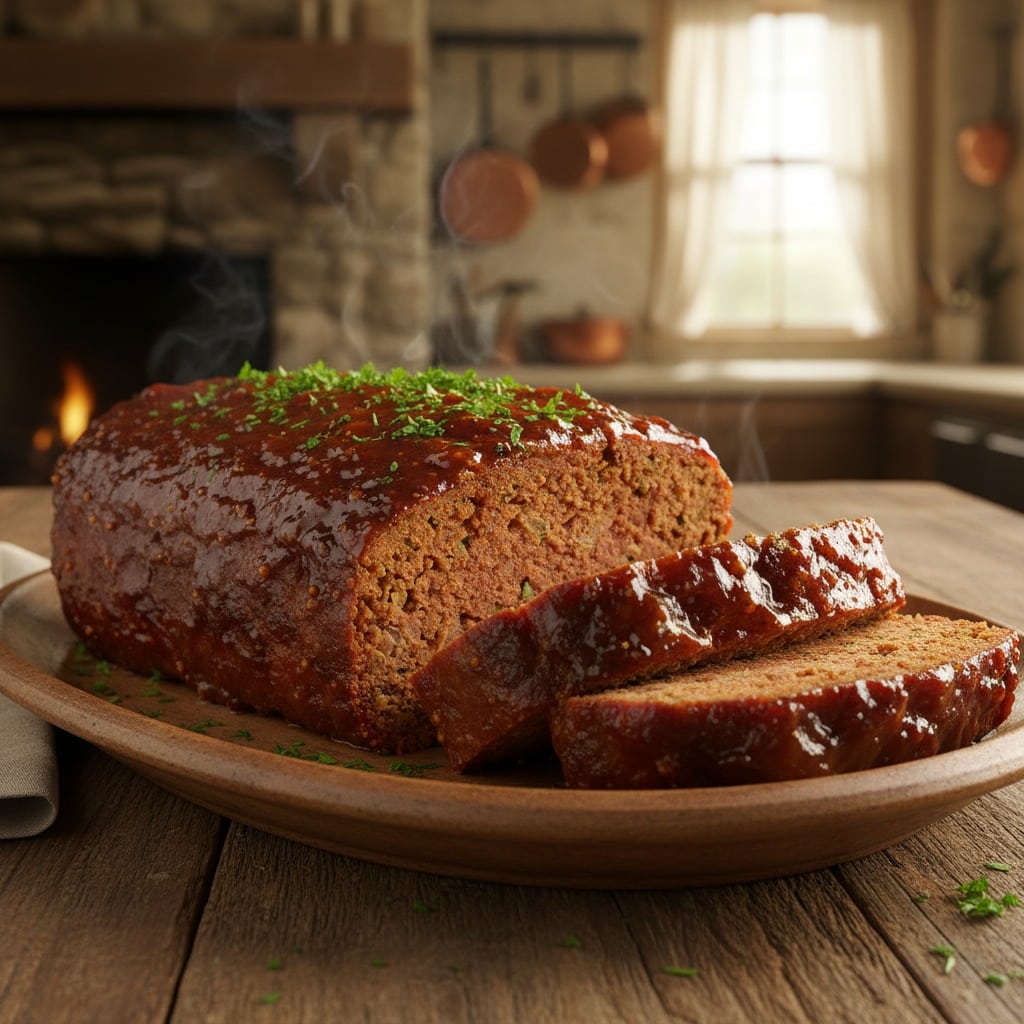
Classic Glazed Meatloaf
Overview
- Prep Time: 15 minutes
- Cook Time: 55 to 60 minutes (plus 10 minutes resting)
- Servings: 6
- Difficulty: Easy
Ingredients
For the Meatloaf
- 1.5 lbs ground beef (80/20 or 85/15 lean-to-fat ratio)
- 1/2 lb ground pork (or an extra 1/2 lb of ground beef)
- 3/4 cup panko breadcrumbs (or plain dried breadcrumbs)
- 1/2 cup whole milk
- 1 tablespoon olive oil
- 1 medium yellow onion, finely diced
- 2 cloves garlic, minced
- 2 large eggs, lightly beaten
- 2 tablespoons Worcestershire sauce
- 1 tablespoon Dijon mustard
- 2 tablespoons fresh parsley, finely chopped
- 1 teaspoon kosher salt
- 1/2 teaspoon freshly ground black pepper
- 1/2 teaspoon smoked paprika (or Italian seasoning)
For the Glaze
- 1/2 cup ketchup
- 2 tablespoons light brown sugar, packed
- 1 tablespoon apple cider vinegar
- 1 teaspoon Worcestershire sauce
Instructions
- Prep the oven and pan. Preheat your oven to 350°F (175°C). Line a rimmed baking sheet with parchment paper or foil for easy cleanup.
- Soak the breadcrumbs. In a small bowl, combine the breadcrumbs and milk. Stir briefly and let sit for 5 minutes until the liquid is absorbed into a soft paste.
- Sauté the aromatics. Heat the olive oil in a small skillet over medium heat. Add the diced onion and cook for 5 minutes until softened, then add the minced garlic and cook for 1 minute more. Remove from heat and let cool slightly.
- Mix the meatloaf. In a large mixing bowl, add the ground beef, ground pork, soaked breadcrumb mixture, cooled onions and garlic, beaten eggs, Worcestershire sauce, Dijon mustard, parsley, salt, pepper, and smoked paprika. Gently mix with your hands just until combined, being careful not to overwork the meat.
- Shape the loaf. Transfer the mixture onto the prepared baking sheet and shape it into an even loaf, roughly 9 inches long by 5 inches wide.
- Bake the meatloaf. Bake uncovered for 40 minutes.
- Make and apply the glaze. While the meatloaf bakes, whisk together the ketchup, brown sugar, apple cider vinegar, and Worcestershire sauce in a small bowl. Remove the meatloaf from the oven at the 40-minute mark, brush the glaze evenly over the top and sides, and return it to the oven.
- Finish baking and rest. Bake for another 15 to 20 minutes until the glaze is bubbling and sticky, and a meat thermometer inserted into the center reads 160°F (71°C). Let the meatloaf rest on the pan for 10 minutes before slicing so the juices settle.
Cultural History
Meatloaf is more than just a comforting weeknight dinner; it is a culinary artifact that tells the story of resourcefulness, immigration, industrialization, and domestic evolution in the Western world. While often stereotyped as a bland, dreary relic of mid-century American home economics, the true history of meatloaf is rich, global, and surprisingly sophisticated. Its journey from ancient antiquity to the modern dinner table mirrors the socio-economic shifts of the societies that consumed it.
The origins of minced and formed meat dishes stretch far back into antiquity. Long before the invention of the modern mechanical meat grinder, cooks across various cultures recognized the value of finely chopping or pounding lesser cuts of meat, stretching them with extenders, and binding them together.
The earliest known precursor to meatloaf appears in Apicius, a collection of Roman cookery recipes compiled in the 4th or 5th century AD. The Roman version was a mixture of minced meat chopped with bread soaked in wine, flavored with pine nuts, peppercorns, and garum (a fermented fish sauce), and then shaped. This was not born out of poverty, but out of a Roman appreciation for disguised textures and complex seasoning blends.
However, the direct lineal ancestor of the modern meatloaf is undoubtedly the European sausage and, more specifically, the German and Scandinavian traditions of minced meat dishes. In Germany, Hackbraten—literally translated as “chopped roast”—shares the exact DNA of the American meatloaf. Similarly, Dutch Gehaktbrood and Belgian Pâté de Campagne traditions involved taking leftover meats, combining them with binders like eggs and breadcrumbs, and baking them in loaf pans.
As Europeans immigrated to North America in the 18th and 19th centuries, they brought these culinary traditions with them. Early American cookbooks, however, did not feature a dish specifically called “meatloaf.” Instead, recipes for “beef loaf” or “veal loaf” began appearing in the mid-19th century.
Crucial to the development of American meatloaf was the invention of the meat grinder. Patented in the mid-19th century and mass-produced by companies like Enterprise in the late 1800s, the meat grinder revolutionized the American kitchen. Suddenly, tough, inexpensive cuts of meat—such as chuck, round, and flank—could be easily and rapidly processed at home.
During the late 19th century, meatloaf was primarily a dish of frugality. In an era before mechanical refrigeration, minced meat dishes were an exceptional way to use up bits of meat that might otherwise spoil. Furthermore, stretching meat with cheap fillers was a necessity for working-class families. Bread, crackers, oatmeal, and boiled potatoes were worked into the mince to increase the volume of the meal.
Despite its humble origins, meatloaf was not yet the cultural punchline it would later become. In fact, early American domestic science pioneers viewed minced meat dishes as hygienic and easily digestible.
The true golden age of meatloaf—the era that cemented its status as an icon of American cuisine—occurred during the Great Depression and World War II.
When the stock market crashed in 1929, American households were forced to dramatically cut food budgets. Meat, traditionally the most expensive component of the dinner plate, became a luxury. Home economists and government agencies stepped in with pamphlets and recipes designed to stretch protein as far as possible.
Meatloaf was the ultimate solution. By combining a minimal amount of ground beef with a maximal amount of breadcrumbs, crushed cornflakes, oatmeal, or grated vegetables, a single pound of meat could feed a large family. Stretching meat became a patriotic and economic necessity. Cooks experimented with binders and flavorings, incorporating canned soups, ketchup, and onion flakes. It was during this period that the iconic ketchup glaze became a standard fixture, adding both moisture and a tangy flavor profile that appealed to children.
This trend accelerated during World War II. Food rationing restricted the purchase of meat, butter, and sugar. The U.S. Office of Price Administration encouraged citizens to use “meat stretchers.” Magazines and cookbooks published countless variations of meatloaf, using soy flour, cereal, and bread as extenders. Meatloaf became a symbol of homefront resilience—nourishing, comforting, and unfussy.
Following World War II, the United States experienced an economic boom, the rise of suburbia, and a massive expansion of the processed food industry. Meatloaf underwent a transformation, shifting from a survival food of the Depression to a staple of the modern suburban nuclear family.
The 1950s heralded the age of convenience. Canned goods, condensed soups, and prepared condiments flooded the market. Campbell’s cream of mushroom soup and Lipton onion soup mix became foundational ingredients for the mid-century meatloaf. These convenience products ensured consistency and added rich, savory moisture to lean cuts of beef, which were becoming more common as supermarket refrigeration improved.
At the same time, the domestic ideal of the 1950s housewife placed a high value on home-cooked meals that were reliable and pleasing to husbands and children. Meatloaf fit the bill perfectly. It was inexpensive, easy to scale up for larger families, required no advanced culinary skills, and filled the house with a comforting, savory aroma. It was served alongside mashed potatoes and green peas, creating the quintessential visual tableau of mid-century American domesticity.
However, as cultural tides shifted in the late 20th century, meatloaf’s fortunes began to reverse. By the 1970s and 1980s, as Americans became more exposed to international cuisines—such as Italian, Mexican, and Chinese—and increasingly health-conscious, meatloaf came to be viewed by some as provincial, heavy, and unimaginative.
Pop culture began to skewer the dish. It became the shorthand culinary joke for domestic boredom or culinary failure. In television and film, serving meatloaf was often used to signal a dull, uninspired household or a stressed, overworked homemaker.
Yet, culinary trends are cyclical. Just as meatloaf was being dismissed by home cooks, it was being rediscovered by chefs. In the late 1980s and 1990s, the rise of the “comfort food” movement led to the rehabilitation of many mid-century classics. High-end restaurants and bistros began putting meatloaf on their menus, elevating it with gourmet ingredients.
Chef-driven meatloaves replaced generic ground beef with artisanal blends of chuck, brisket, short ribs, pork, and veal. Wild mushrooms, sun-dried tomatoes, fresh herbs, and glazes made from balsamic reduction, chipotle peppers, or homemade barbecue sauces replaced the canned soups and bottled ketchups of the past. Meatloaf transitioned from a symbol of domestic frugality to a canvas for artisanal craftsmanship.
Today, meatloaf occupies a fascinating dual space in culinary culture. It remains a deeply nostalgic, comforting home-cooked meal for millions of families, capable of invoking powerful memories of childhood kitchens. Simultaneously, it is a versatile vehicle for global flavor profiles. Contemporary home cooks and chefs regularly experiment with Mexican-inspired taco meatloaves, Asian-inspired pork and ginger loaves glazed with hoisin and soy sauce, and vegetarian or vegan iterations made from lentils, mushrooms, and walnuts.
The history of meatloaf is ultimately a history of human adaptability. It demonstrates how a society takes a basic technical method—mincing and binding protein—and infuses it with cultural meaning. Whether it is seasoned with Roman garum, stretched to survive the Great Depression, bound with 1950s canned soup, or elevated with modern artisanal ingredients, meatloaf endures because it satisfies a fundamental human desire: the need for comfort, community, and sustenance derived from simple, honest ingredients.
-
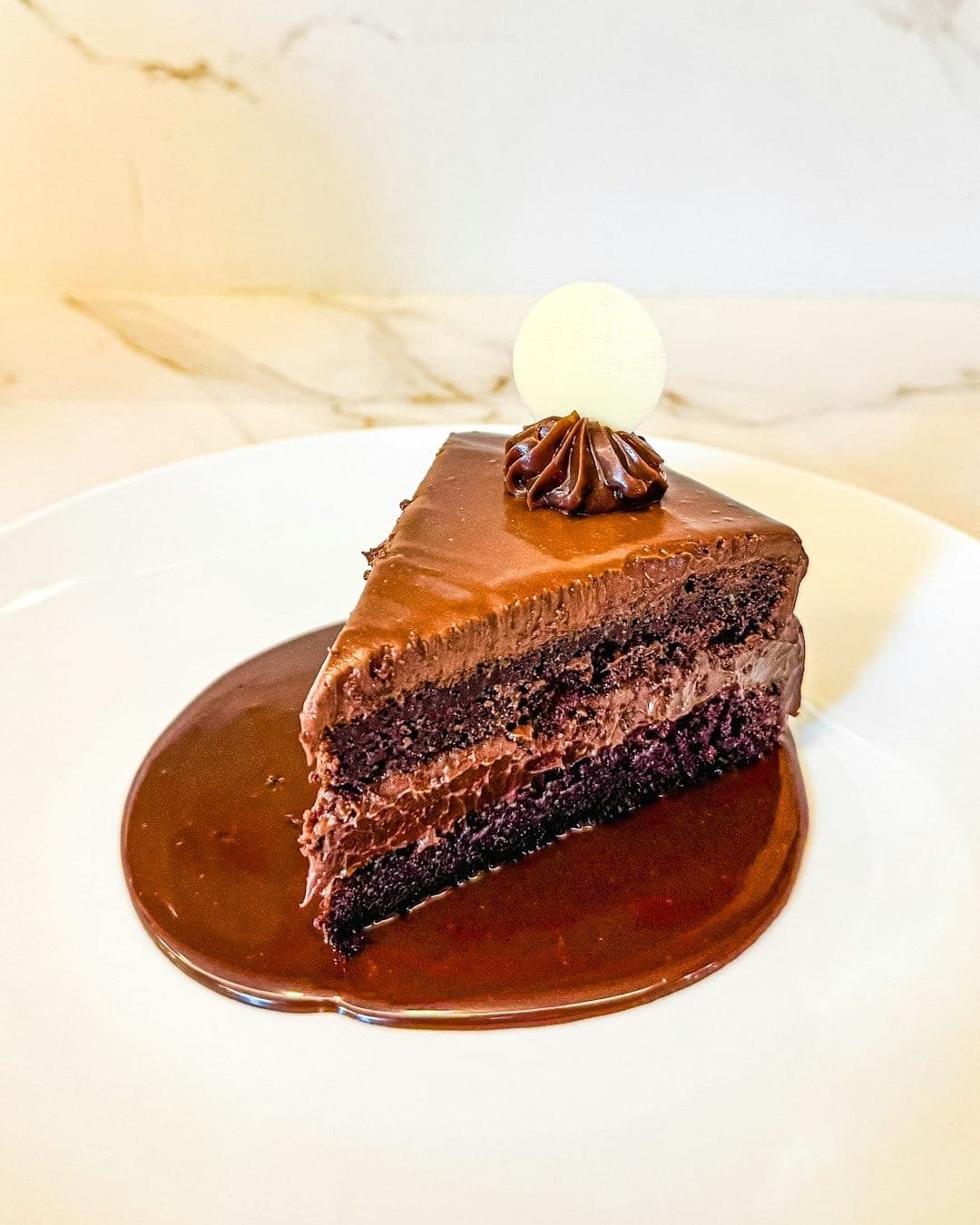
Classic Moist Chocolate Layer Cake
Classic Moist Chocolate Layer Cake Classic Moist Chocolate Layer Cake Overview Ingredients For the Chocolate…
-
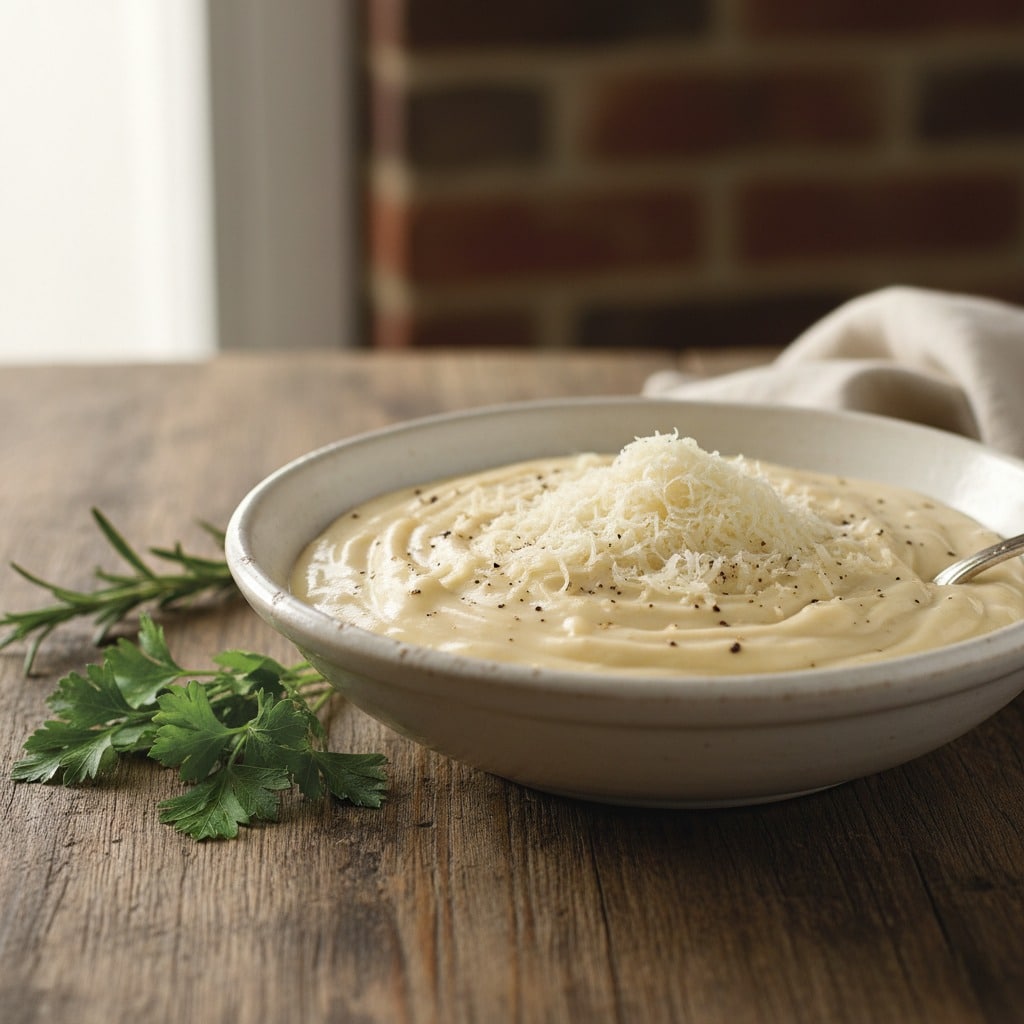
Classic Creamy Alfredo Sauce
Classic Creamy Alfredo Sauce Overview Ingredients Instructions Cultural History The Story Behind Alfredo Sauce: From…
-
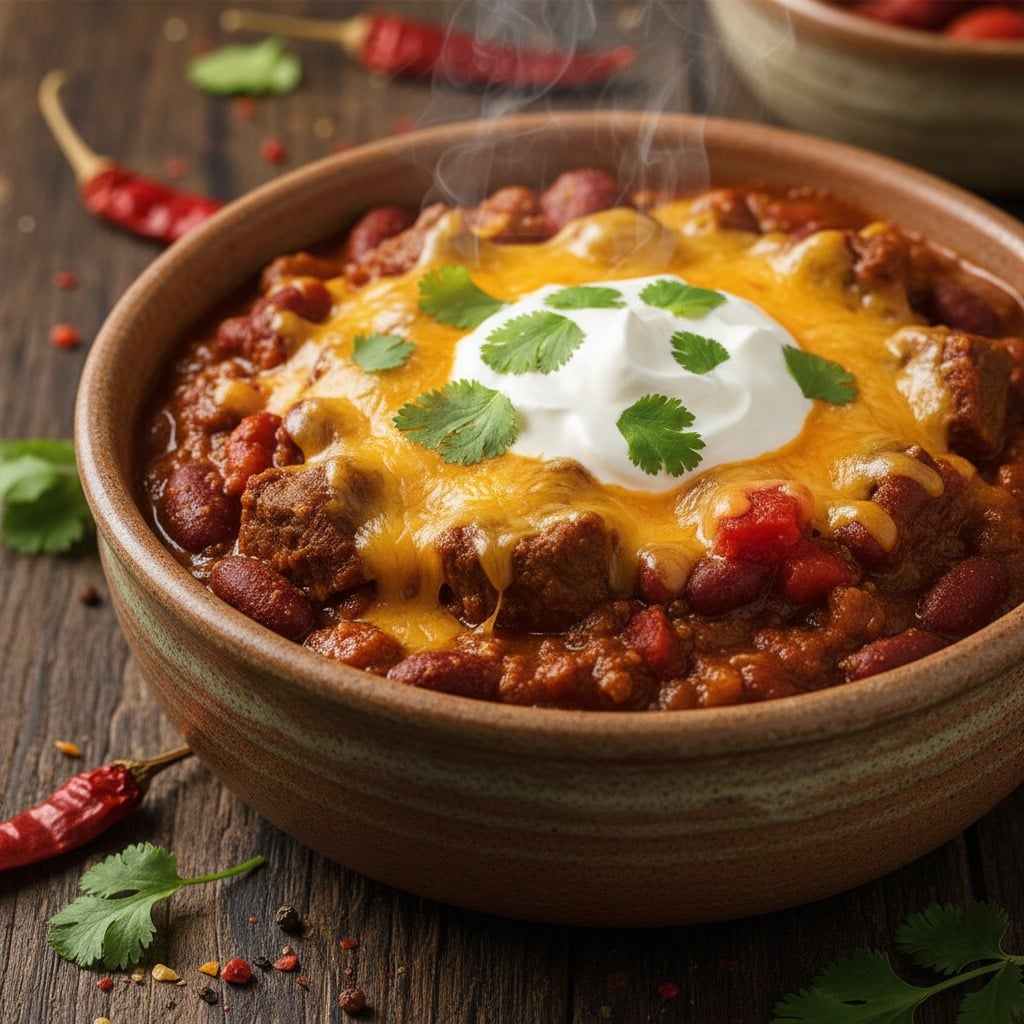
Classic Beef Chili Con Carne
Classic Beef Chili Con Carne Overview Ingredients Instructions Cultural History The Origins and Evolution of…

Leave a Reply