
Classic Meat & Cheese Lasagna
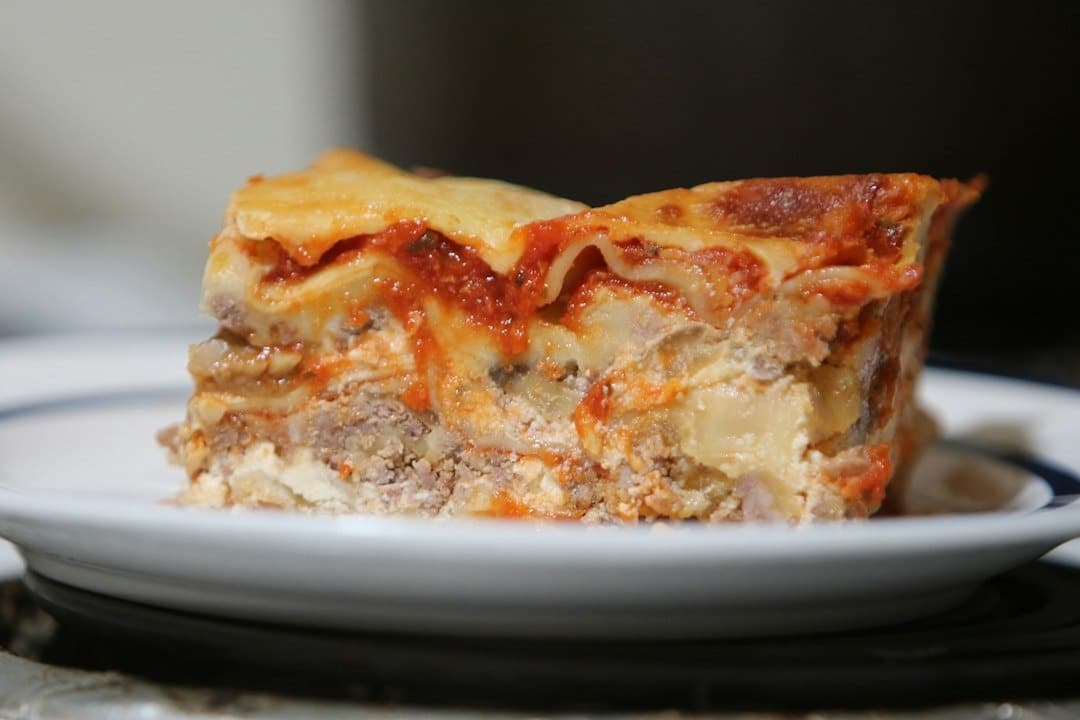
Overview
- Prep Time: 30 minutes
- Cook Time: 1 hour 15 minutes (plus 15 minutes resting)
- Servings: 8 to 10
- Difficulty: Medium
Ingredients
For the Meat Sauce
- 1 tablespoon olive oil
- 1 lb lean ground beef
- 1 lb sweet Italian sausage (casings removed)
- 1 medium yellow onion, finely diced
- 4 cloves garlic, minced
- 1 (28-oz) can crushed tomatoes
- 2 (6-oz) cans tomato paste
- 1 (15-oz) can tomato sauce
- 1/2 cup water (or dry red wine)
- 2 tablespoons granulated sugar (to balance tomato acidity)
- 2 teaspoons dried basil
- 1 teaspoon dried oregano
- 1 teaspoon kosher salt
- 1/2 teaspoon freshly ground black pepper
For the Cheese Mixture & Assembly
- 12 lasagna noodles (regular boiled noodles or oven-ready/no-boil noodles)
- 16 oz whole-milk ricotta cheese
- 1 large egg, lightly beaten
- 1/2 cup freshly grated Parmesan cheese (plus extra for topping)
- 2 tablespoons fresh parsley, finely chopped
- 1/2 teaspoon kosher salt
- 4 cups (16 oz) shredded low-moisture mozzarella cheese, divided
Instructions
- Brown the meat. Heat the olive oil in a large Dutch oven or deep skillet over medium-high heat. Add the ground beef, Italian sausage, and diced onion, cooking for 7 to 8 minutes while breaking up the meat until browned. Drain any excess grease.
- Simmer the sauce. Stir in the minced garlic and cook for 1 minute until fragrant. Add the crushed tomatoes, tomato paste, tomato sauce, water, sugar, basil, oregano, salt, and pepper. Bring to a simmer, then reduce the heat to low and cook uncovered for 25 to 30 minutes, stirring occasionally, until thick.
- Prepare the noodles. If using regular lasagna noodles, boil them in salted water for 2 minutes less than the package directions so they stay firm (al dente). Drain and lay them flat on a lightly oiled baking sheet so they do not stick together.
- Mix the ricotta filling. In a medium bowl, stir together the ricotta cheese, beaten egg, 1/2 cup Parmesan cheese, chopped parsley, and 1/2 teaspoon salt until smooth.
- Assemble the first layer. Preheat your oven to 375°F (190°C). Spread 1 cup of the meat sauce evenly across the bottom of a 9×13-inch baking dish. Arrange 4 lasagna noodles lengthwise over the sauce, overlapping slightly.
- Layer cheese and sauce. Spread half of the ricotta mixture over the noodles, followed by 1 and 1/2 cups of meat sauce and 1 cup of shredded mozzarella. Repeat this exact layering sequence once more (4 noodles, remaining ricotta, 1 and 1/2 cups meat sauce, and 1 cup mozzarella).
- Add the top layer. Place the final 4 noodles on top. Spread the remaining meat sauce evenly over the noodles, then top with the remaining 2 cups of mozzarella and an extra sprinkle of Parmesan.
- Bake covered, then uncovered. Spray a sheet of aluminum foil with cooking spray (so it does not stick to the cheese) and cover the dish tightly. Bake for 25 minutes, then remove the foil and bake for an additional 20 to 25 minutes until the sauce is bubbling and the cheese is golden brown.
- Rest and serve. Remove the lasagna from the oven and let it rest uncovered for 15 minutes before slicing and serving.
Cultural History
The cultural history of lasagna is a rich, layered narrative that mirrors the evolution of Western cuisine itself. Long before it became the universally beloved comfort food of bubbling cheese and rich tomato sauce, lasagna was a humble staple of the ancient Mediterranean. Its journey from an ancient Greek flatbread to a symbol of Italian regional pride and global mass consumption is a testament to the power of culinary adaptation, migration, and the human desire for celebration through food.
To understand the origins of lasagna, one must first look at its etymology and ancient ancestors. The word lasagna is widely believed to derive from the Greek word laganon, which referred to strips of dough made from flour and water. The Romans adopted this concept, transforming it into lagana. In his writings of the first century BC, the Roman gourmand Apicius describes a dish called lagana consisting of sheets of dough layered with meat, suggesting that the concept of layering ingredients in a baking dish has ancient roots. However, this early Roman iteration lacked the tomatoes we associate with modern lasagna today, as tomatoes were native to the Americas and had not yet been introduced to Europe. Furthermore, these ancient sheets of dough were more akin to fried or baked flatbreads rather than the boiled pasta sheets we use today.
As the Roman Empire faded, the culinary traditions of lagana evolved differently across the Italian peninsula. During the Middle Ages, the dish began to take a form more recognizable to contemporary diners, though it remained distinct across regions. The first definitive written recipe for a modern ancestor of lasagna appears in the Liber de Coquina, a famous 14th-century cookbook from Naples. This medieval recipe called for sheets of pasta to be boiled, removed from the water, and then layered with grated cheese—typically a sharp Parmesan or pecorino—and spices, often served with a small wooden skewer used to eat the slippery layers. At this stage, lasagna was still a white dish; tomato sauce was centuries away from becoming a staple of Italian cooking.
Throughout the Renaissance, lasagna graduated from the kitchens of the common folk to the opulent banquet tables of the Italian nobility. Renaissance courts in regions like Emilia-Romagna and Naples vied with one another to produce the most extravagant culinary displays. It was during this period that the recipe began to absorb the luxurious ingredients favored by the aristocracy. Rich broths, butter, cream, cinnamon, cloves, and various meats, including chicken giblets and truffles, found their way between the sheets of pasta. In 1554, the renowned Renaissance chef and writer Cristoforo di Messisbugo published a recipe for lasagna that included butter, cheese, sugar, cinnamon, and sweet spices, reflecting the culinary tastes of the Ferrarese court, where sweet and savory flavors were frequently combined.
As centuries passed, regional variations of lasagna solidified, each claiming authenticity and reflecting the local agricultural bounty. The most famous and globally recognized version is Lasagna alla Bolognese, hailing from the northern city of Bologna in the Emilia-Romagna region. True to its northern roots, Bolognese lasagna utilizes sheets of pasta enriched with eggs, which gives them a delicate yellow color and a porous texture ideal for holding heavy sauces. Instead of relying on chunks of meat or simple tomato puree, this version features a traditional ragù—a slow-cooked meat sauce made from beef, pork, pancetta, soffritto, and wine, tied together with a rich, velvety béchamel sauce and Parmigiano-Reggiano. The absence of heavy mozzarella is a hallmark of this northern style, where béchamel provides the creamy texture.
In contrast, southern Italian lasagnas, particularly those from Naples and surrounding Campania, tell a different story. Southern lasagna is often richer in tomato content, reflecting the sunny climate ideal for growing nightshades. Neapolitan lasagna, traditionally prepared for Carnival celebrations, is a decadent masterpiece loaded with small meatballs, hard-boiled eggs, ricotta, mozzarella, and local pork sausages, all bound by a vibrant tomato sauce. This difference between the butter-and-béchamel north and the tomato-and-ricotta south highlights Italy’s vast culinary diversity, where geography and climate dictate what ends up on the dinner table.
The true globalization of lasagna began in the late 19th and early 20th centuries, driven by the massive waves of Italian emigration to the Americas. Millions of Italians, predominantly from the southern regions, packed their bags for the New World, bringing with them their cherished family recipes. However, adapting these recipes to a new environment was not always straightforward. In cities like New York, Boston, and Chicago, Italian immigrants encountered new ingredients and economic conditions.
In America, lasagna underwent a significant transformation. Ingredients that were once considered luxuries in impoverished post-unification Italy, such as abundant beef and cheap dairy products, were suddenly widely available and affordable. Italian-Americans adapted their traditional holiday dishes into everyday comfort foods. Mozzarella cheese, which melts into long, stretchy strings, largely replaced or augmented the traditional southern ricotta and northern Parmesan. Canned tomato products and readily available supermarket ingredients streamlined the cooking process, turning a dish that once required hours of labor into a weekend staple.
By the mid-20th century, lasagna had firmly embedded itself in the American culinary consciousness. It appeared in community cookbooks, was featured in popular culture, and eventually found its way into the burgeoning frozen food industry. When companies like Stouffer’s introduced frozen lasagna in the late 1950s, the dish transcended its ethnic roots and became an American household classic. It required no culinary expertise from the consumer; a few minutes in the oven yielded a piping hot, comforting casserole that appealed to busy postwar families.
This commercialization, while democratizing the dish, also led to a certain homogenization. To many people outside of Italy, lasagna became synonymous with a thick, tomato-forward casserole packed with ground beef and buried under a heavy blanket of mozzarella. Yet, despite its mass-market appeal, the cultural significance of lasagna remained deeply tied to the concepts of family, patience, and love.
In Italian culture, lasagna is rarely a meal prepared for a single person on a Tuesday night. It is a celebratory dish, an act of devotion. Making lasagna from scratch is a labor-intensive process that demands time and care: making the pasta dough, rolling it out, preparing the ragù or simmering the sauce, making the béchamel or mixing the cheeses, and finally, carefully assembling the layers. Because of this, lasagna is traditionally served on Sundays, holidays, family reunions, and festive occasions like Christmas and Carnival. It brings families into the kitchen, with older generations passing down secret techniques—the exact ratio of meats in the ragù, the thickness of the pasta, or the preferred brand of cheese—to the younger generation.
Furthermore, lasagna holds a unique place in popular culture as the ultimate comfort food. Its literary and media appearances often emphasize its homely, irresistible nature. Perhaps most famously, lasagna is depicted as the ultimate obsession of Jim Davis’s cartoon cat, Garfield, cementing its status in global pop culture as a food so universally craveable that it transcends species.
Today, lasagna continues to evolve in response to contemporary dietary trends and global fusion. Vegetarian and vegan variations have exploded in popularity, utilizing roasted vegetables, mushrooms, spinach, and plant-based cheeses to recreate the layered texture of the traditional dish. Gluten-free pasta sheets have made lasagna accessible to those with celiac disease or gluten sensitivities. Chefs around the world experiment with global flavor profiles, replacing traditional Italian sauces with Mexican mole, Asian curries, or Middle Eastern spices, proving that the underlying concept of lasagna—layering delicious ingredients between sheets of dough—is a universal culinary canvas.
From its humble beginnings as ancient Greek and Roman flatbreads to the festive banquet tables of Renaissance princes, and onward to the bustling immigrant neighborhoods of America and the frozen food aisles of supermarkets, lasagna has traveled an extraordinary distance. It is a dish that tells the story of human migration, agricultural evolution, and the enduring power of shared meals. At its core, lasagna remains what it has always been: a culinary bridge connecting people across generations, cultures, and geographies, bound together by the simple, profound joy of a meal made with patience and shared with love.
-
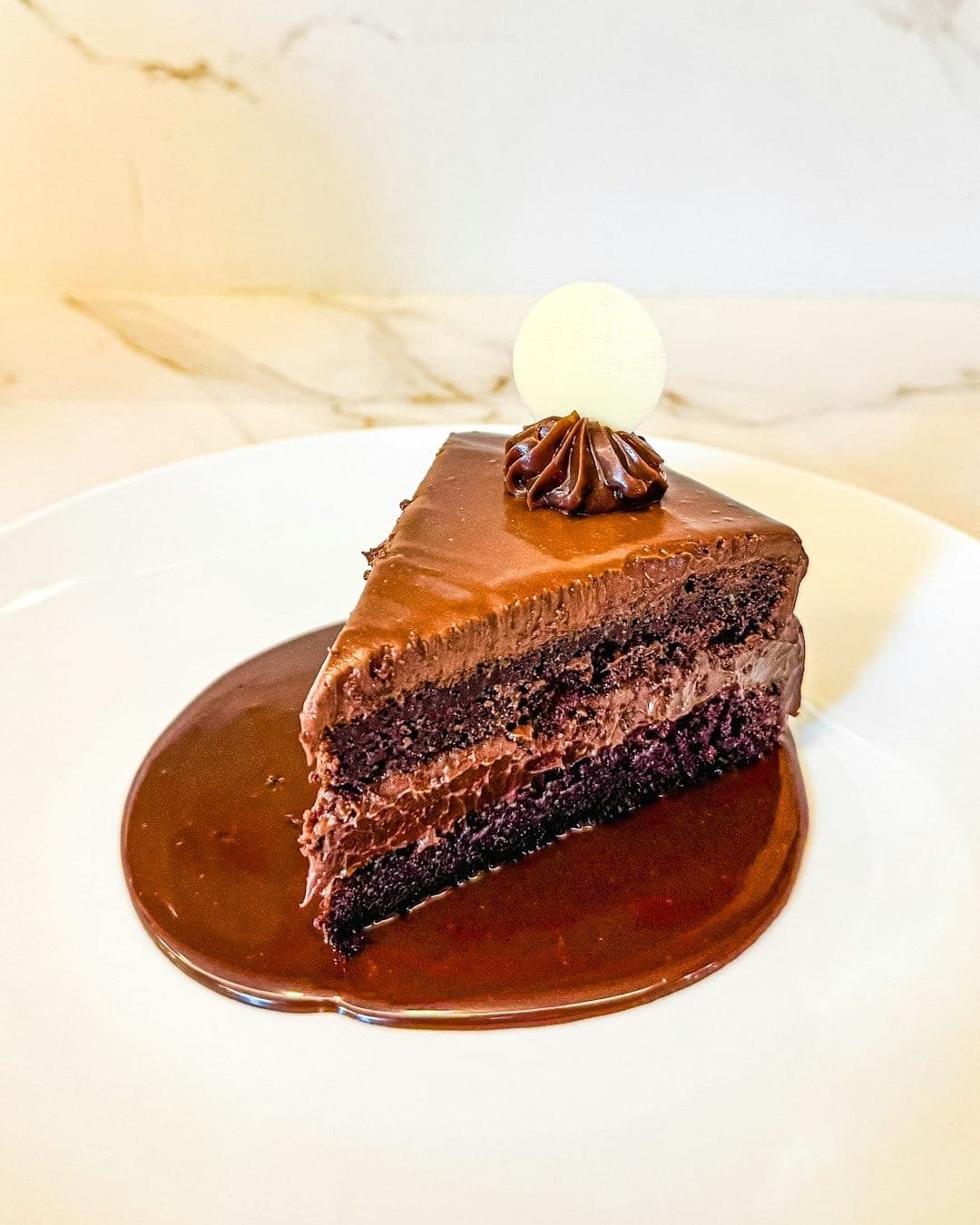
Classic Moist Chocolate Layer Cake
Classic Moist Chocolate Layer Cake Classic Moist Chocolate Layer Cake Overview Ingredients For the Chocolate…
-
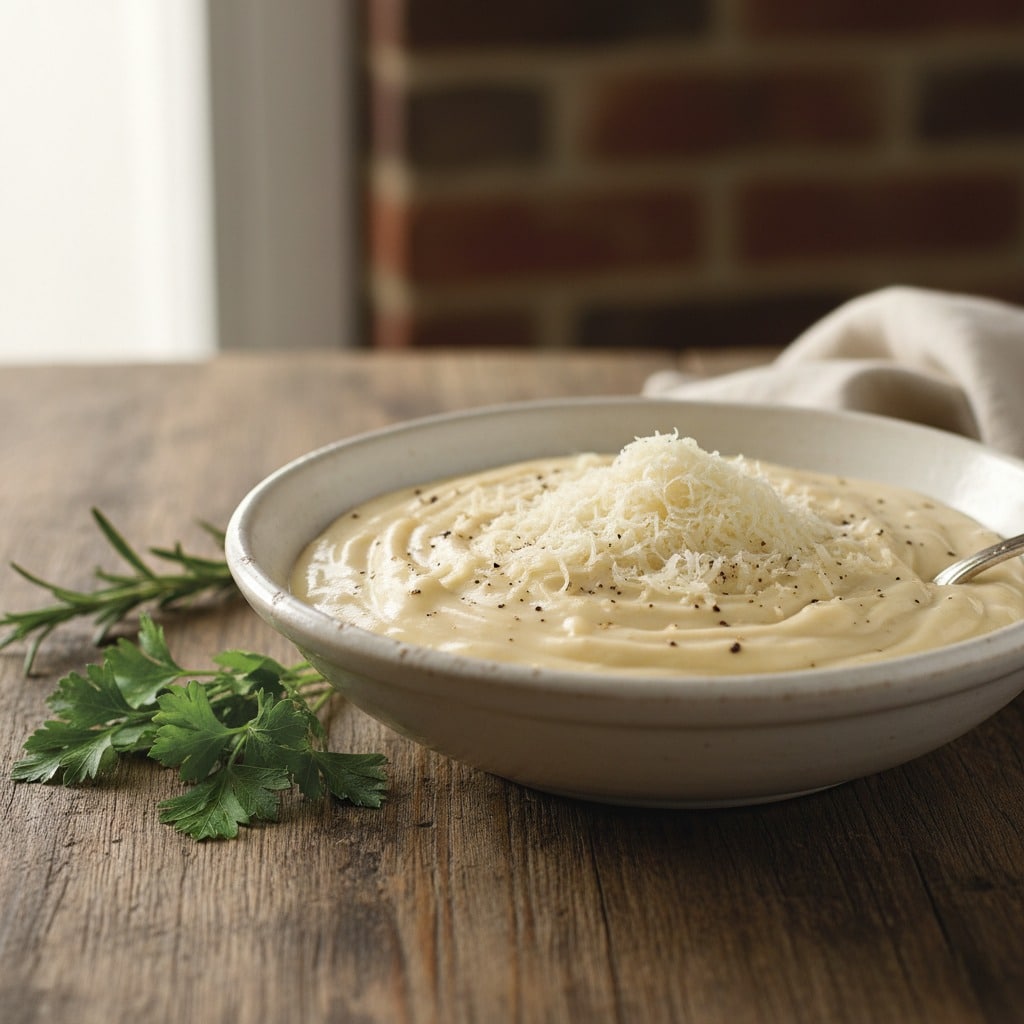
Classic Creamy Alfredo Sauce
Classic Creamy Alfredo Sauce Overview Ingredients Instructions Cultural History The Story Behind Alfredo Sauce: From…
-
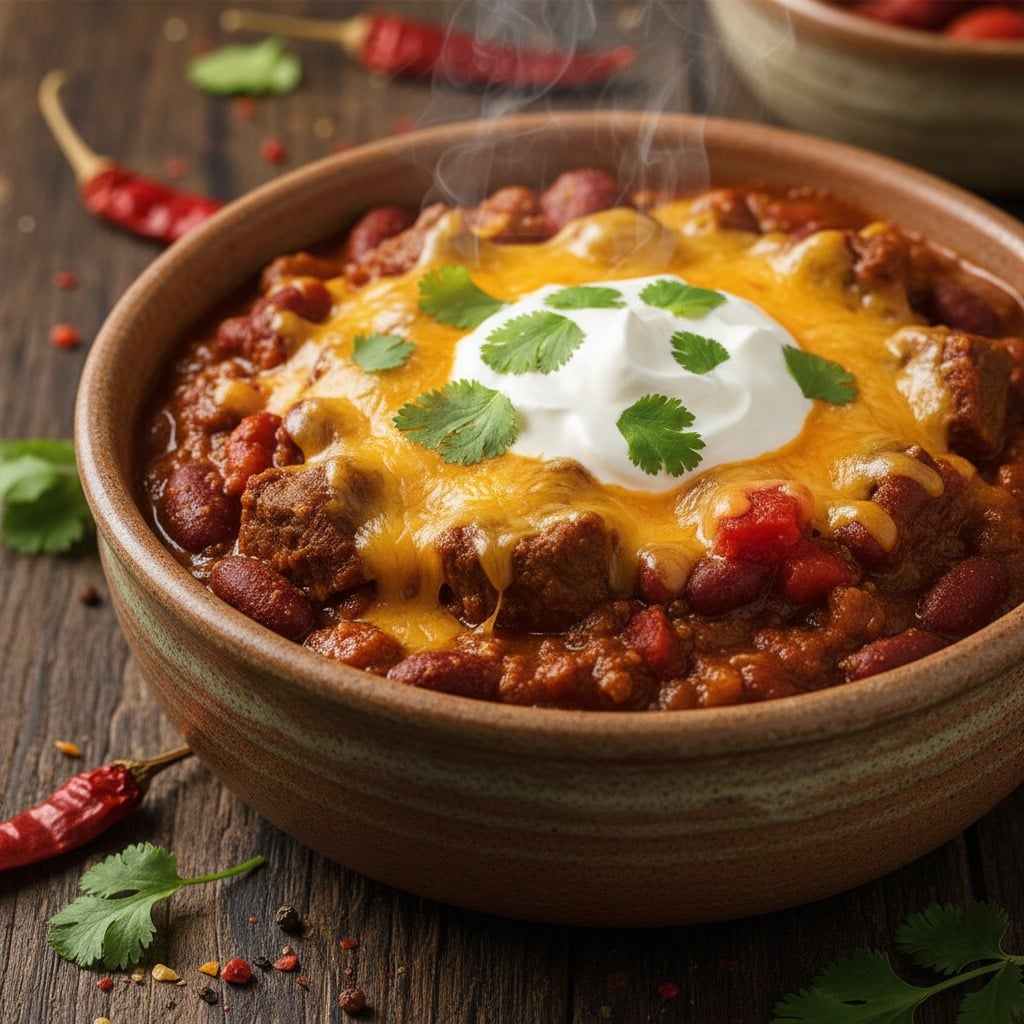
Classic Beef Chili Con Carne
Classic Beef Chili Con Carne Overview Ingredients Instructions Cultural History The Origins and Evolution of…

Leave a Reply