
Classic Moist Banana Bread
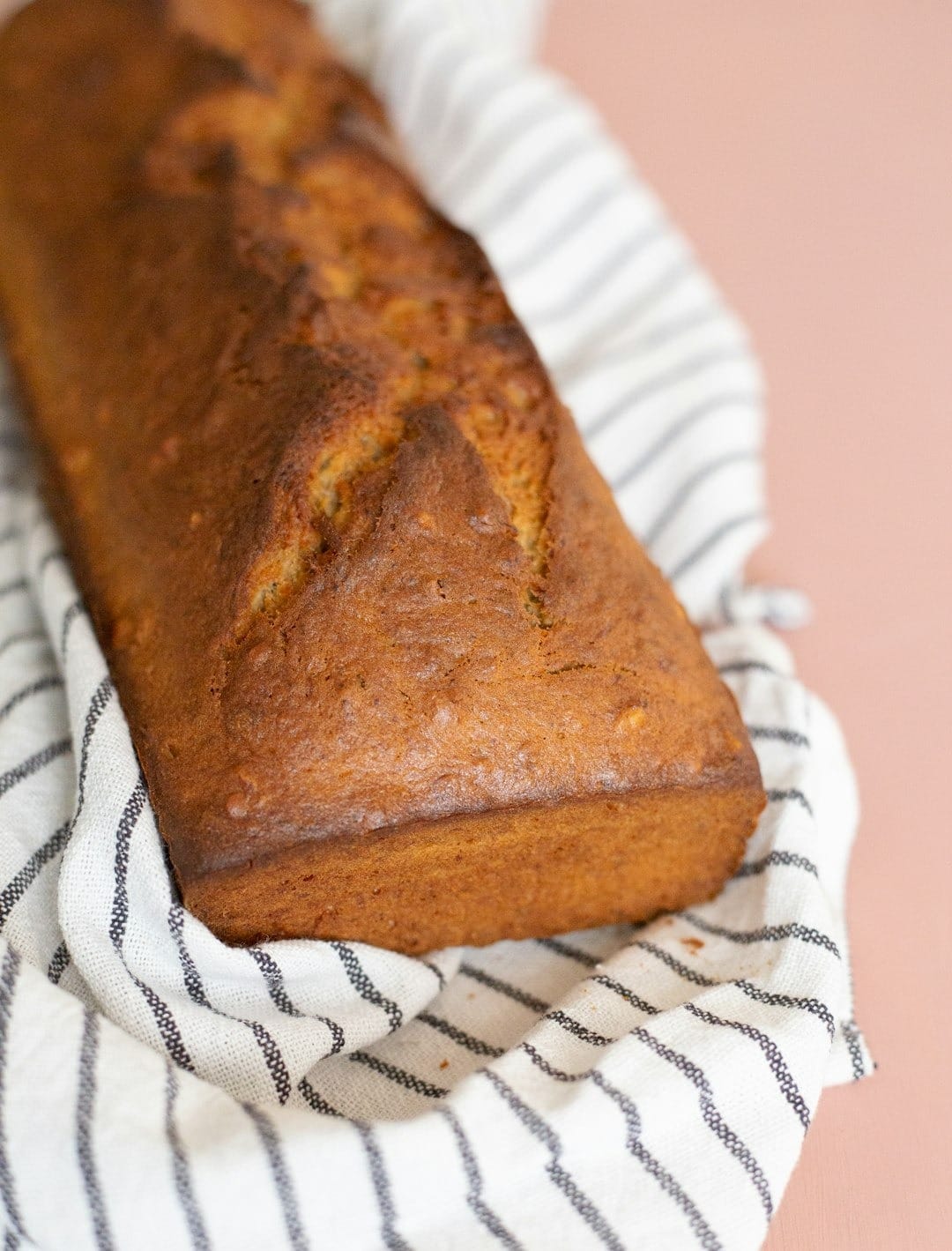
Overview
- Prep Time: 15 minutes
- Cook Time: 55 to 65 minutes
- Servings: 8 to 10 slices
- Difficulty: Easy
Ingredients
- 3 large very ripe bananas (mashed, about 1 and 1/3 cups)
- 1/3 cup unsalted butter, melted and slightly cooled
- 3/4 cup light brown sugar, packed (or granulated white sugar)
- 1 large egg, beaten, at room temperature
- 1 teaspoon pure vanilla extract
- 1 teaspoon baking soda
- 1/4 teaspoon salt
- 1/2 teaspoon ground cinnamon (optional, for warmth)
- 1 and 1/2 cups all-purpose flour
Instructions
- Prep the oven and pan. Preheat your oven to 350°F (175°C). Grease a 9×5-inch loaf pan with butter or cooking spray, or line it with parchment paper for easy removal.
- Mash the bananas. In a large mixing bowl, mash the peeled ripe bananas with a fork until mostly smooth, leaving a few small lumps for texture.
- Mix the wet ingredients. Pour the melted butter into the mashed bananas and stir until combined. Mix in the brown sugar, beaten egg, and vanilla extract until smooth.
- Add the leavening and spices. Sprinkle the baking soda, salt, and ground cinnamon over the wet mixture and stir well to distribute evenly.
- Fold in the flour. Add the all-purpose flour to the bowl and gently stir with a spatula just until the flour disappears. Stop mixing as soon as no dry streaks remain, as overmixing will make the bread dense and chewy.
- Bake the loaf. Pour the batter into the prepared loaf pan and smooth the top. Bake for 55 to 65 minutes, or until a toothpick inserted into the center comes out clean or with just a few moist crumbs attached.
- Cool and slice. Let the bread cool in the pan for 10 minutes, then transfer it to a wire rack to cool completely before slicing.
Cultural History
The cultural history of banana bread is a fascinating culinary narrative that bridges the gap between thrift and indulgence, economic hardship and domestic comfort. While today we view banana bread as a ubiquitous, comforting staple of the modern home kitchen and coffee shop display case, its origins are rooted in resourcefulness, technological innovation, and a series of global historical events that transformed a tropical fruit into an enduring symbol of American home baking.
To understand the rise of banana bread, one must first understand the journey of the banana itself. Bananas were not always a common household grocery item in North America and Europe. For much of the nineteenth century, the fruit was an exotic rarity, highly perishable and difficult to transport before the advent of refrigerated steamships. By the late 1800s, however, aggressive corporate expansion by companies like the United Fruit Company transformed the banana into a mass-market commodity. Suddenly, cheap bananas flooded Western markets. They were sold on street corners, sliced into morning cereals, and marvelled at as an affordable luxury.
However, the very nature of the fruit—its rapid ripening process—presented a domestic challenge. In an era before household refrigerators were widespread, bananas would quickly turn from firm and yellow to soft, speckled, and brown. Housewives and home cooks, conditioned by generations of thrift to abhor food waste, sought innovative ways to use overripe fruit rather than toss it into the garbage.
The true genesis of banana bread, however, is inextricably linked to the American Great Depression of the 1930s. This was a period of extreme economic distress where frugality was not merely a virtue, but a necessity of survival. Families across the United States were forced to stretch every food dollar. At the same time, two major technological advancements revolutionized American baking: the commercial availability of baking powder and baking soda.
Prior to the 1930s, quick breads—breads leavened with chemical agents rather than yeast—did exist, but they were not yet the mainstream phenomenon they would become. Earlier cookbooks occasionally featured recipes for banana cake, which was typically a heavily spiced, delicate layer cake meant for special occasions. But the Great Depression changed the culinary landscape. Desperate to avoid wasting overripe bananas, and equipped with inexpensive chemical leaveners and readily available flour and sugar, home cooks began experimenting.
Baking powder and baking soda allowed dense batters to rise quickly without the lengthy and unpredictable process of yeast fermentation. By mashing up squishy, brown bananas and incorporating them into a basic batter of flour, sugar, eggs, and fat, resourceful cooks discovered they could create a moist, cake-like bread. The natural sugars and starches of the overripe bananas provided both sweetness and moisture, reducing the need for scarce or expensive quantities of sugar and butter.
Food historians often point to the publication of standardized recipes as the final step in cementing banana bread into the cultural lexicon. The introduction of the modern baking powder canister in the late nineteenth and early twentieth centuries by companies like Rumford and later corporate entities like the Pillsbury Company and General Mills meant that baking companies began publishing recipe pamphlets to encourage consumers to buy their products. Throughout the 1930s, various recipe books, including the pivotal 1933 edition of the Balanced Diet and corporate promotional materials, featured recipes for banana quick bread.
By the time World War II arrived, with its own suite of rationing guidelines concerning sugar, butter, and eggs, banana bread had secured its place in the American culinary canon. It was the ultimate patriotic bake: it utilized ingredients that might otherwise spoil, required minimal processed sugar, and provided a comforting, sweet treat during a time of national anxiety and sacrifice. The home economist and the housewife had successfully turned kitchen scraps into a beloved national treasure.
In the decades following the Second World War, banana bread evolved from a strategy of thrift into a symbol of domestic nurturing. The post-war economic boom brought widespread access to home refrigerators, meaning that letting bananas go brown was no longer a pressing economic emergency. Yet, the practice of making banana bread did not fade away. Instead, it transitioned from a necessity of survival to a deliberate act of comfort and hospitality. Making banana bread became a way to show care for family and friends. The aroma of baking bananas, cinnamon, and vanilla wafting through a home came to represent safety, warmth, and traditional domesticity.
Furthermore, the post-war era and the subsequent decades saw the cultural democratization and diversification of the recipe itself. As global migration patterns shifted and international ingredients became more accessible in Western supermarkets, home bakers began to put their own cultural and regional spins on the classic American recipe.
In the American South, cooks often incorporated pecans and a heavy hand of bourbon. In Hawaii, macadamia nuts and pineapple chunks were folded into the batter, reflecting the islands’ agricultural bounty. In Latin America and the Caribbean, where plantains and bananas are staple ingredients, various iterations of sweet banana and plantain breads had long existed, and cultural exchange further blended these traditions.
The late twentieth century also saw health-conscious adaptations. As dietary trends shifted toward whole grains and reduced sugar, banana bread easily adapted. Bakers substituted white flour with whole wheat, oat flour, or almond flour, and swapped refined sugar for honey, maple syrup, or applesauce. The bread’s forgiving nature made it an ideal vehicle for experimentation. Vegans discovered that mashed bananas naturally bound batters together, often eliminating the need for eggs entirely.
Perhaps the most recent cultural evolution of banana bread occurred during the global COVID-19 pandemic in 2020. As millions of people worldwide entered strict lockdowns, the domestic sphere experienced a massive resurgence in home baking. Supermarket shelves were stripped bare of yeast and flour as locked-down citizens sought solace in the kitchen.
Banana bread, in particular, became the undisputed culinary mascot of the pandemic. Social media feeds on platforms like Instagram and TikTok were utterly saturated with photographs of freshly baked loaves. This phenomenon was not merely about eating; it was a psychological coping mechanism. In a time of profound uncertainty, fear, and a lack of control, baking banana bread offered tangible comfort. It required time, patience, and sensory engagement—the mashing of the fruit, the stirring of the batter, the long wait as it baked in the oven. It was a comforting ritual that connected isolated individuals to a shared, global human experience of comfort and nostalgia. Moreover, because grocery shopping trips were restricted, using up overripe bananas that would otherwise be thrown away echoed the resourcefulness of the Great Depression generation a century prior.
Today, banana bread occupies a unique space in global food culture. It is simultaneously working-class and middle-class, historic and contemporary, thrifty and indulgent. It is served as a breakfast food toasted with butter, sliced for an afternoon tea snack, or even elevated with chocolate chips, streusel toppings, and espresso glazes in artisanal bakeries.
The cultural history of banana bread is ultimately a testament to human adaptability and the power of comfort food. It reminds us that some of our greatest culinary creations are born out of necessity, designed to prevent waste, but sustained by our deep-seated need for comfort, routine, and shared sweetness in an uncertain world.
-
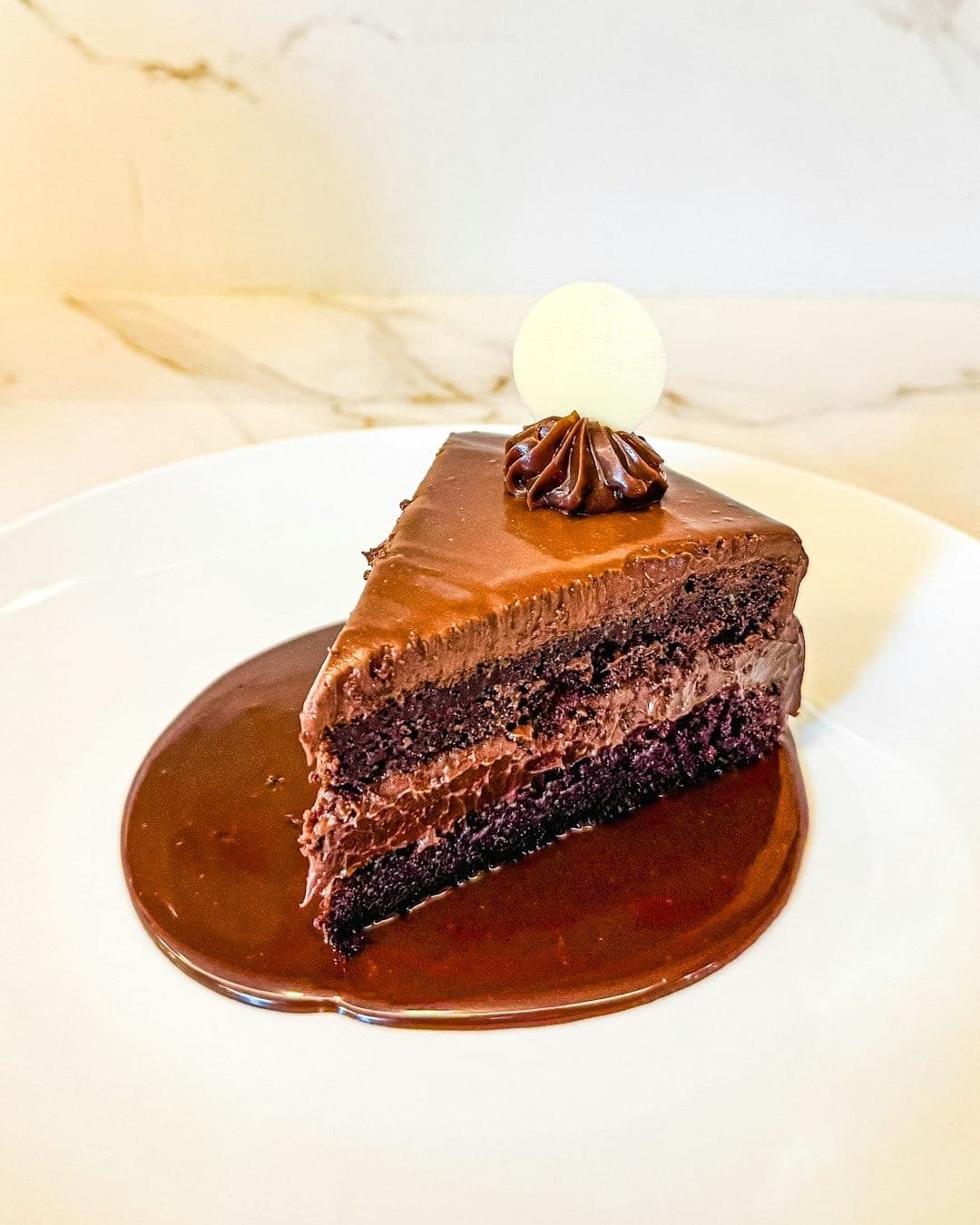
Classic Moist Chocolate Layer Cake
Classic Moist Chocolate Layer Cake Classic Moist Chocolate Layer Cake Overview Ingredients For the Chocolate…
-
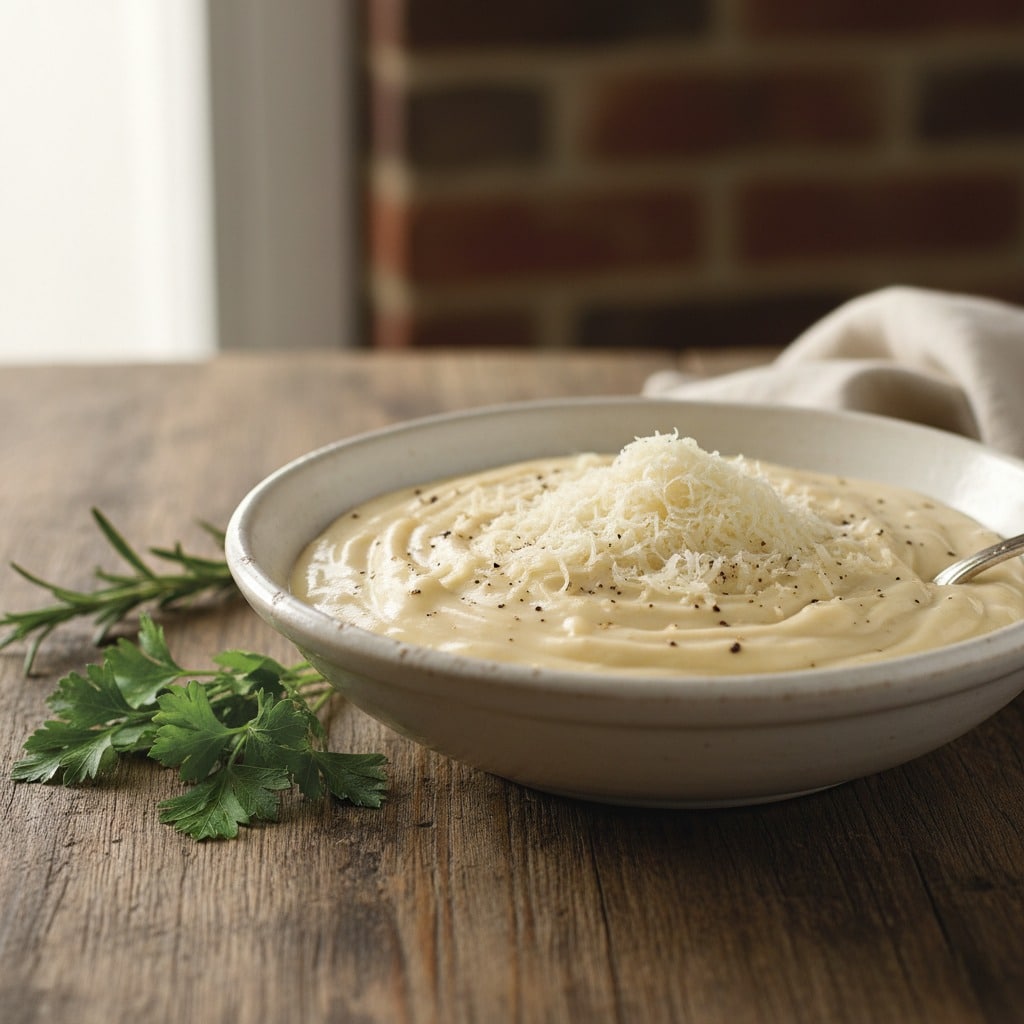
Classic Creamy Alfredo Sauce
Classic Creamy Alfredo Sauce Overview Ingredients Instructions Cultural History The Story Behind Alfredo Sauce: From…
-
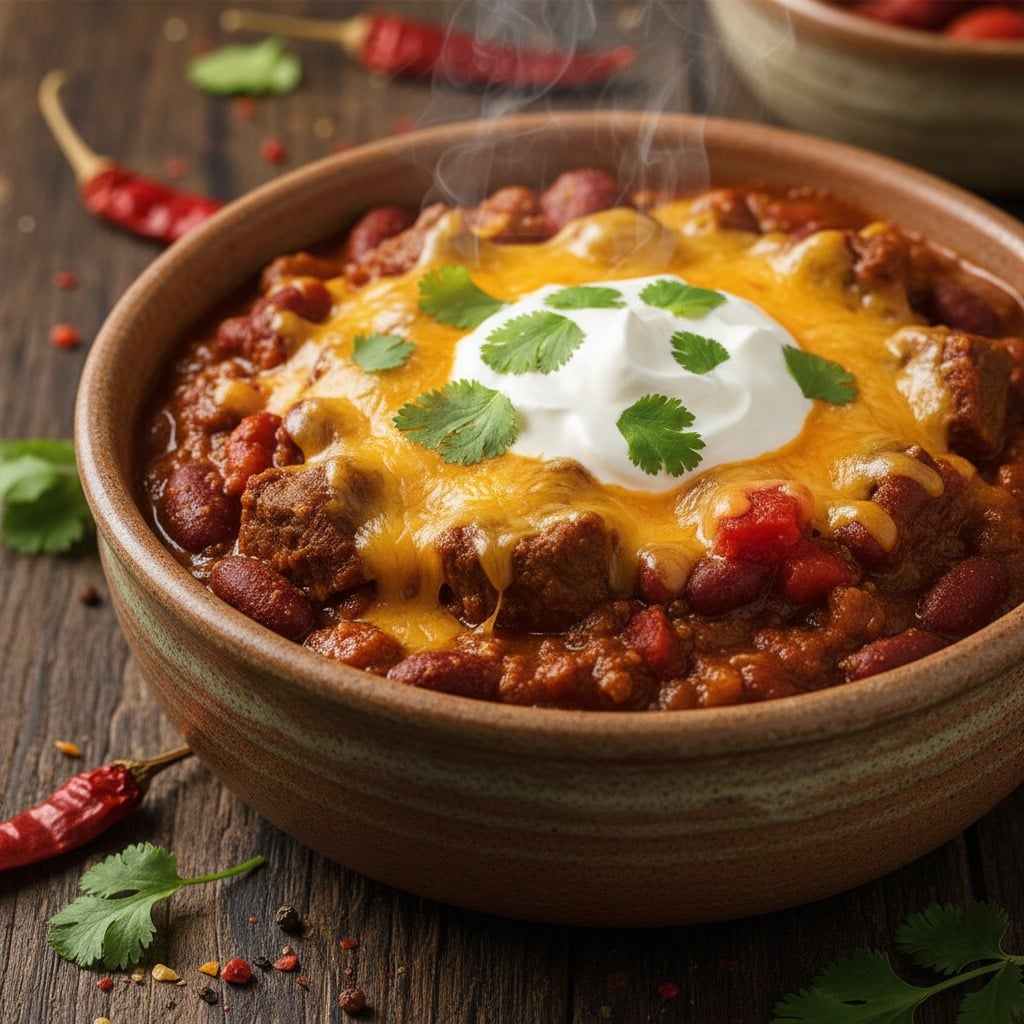
Classic Beef Chili Con Carne
Classic Beef Chili Con Carne Overview Ingredients Instructions Cultural History The Origins and Evolution of…

Blog
This section provides an overview of the blog, showcasing a variety of articles, insights, and resources to inform and inspire readers.
-
Classic Moist Chocolate Layer Cake
Classic Moist Chocolate Layer Cake Classic Moist Chocolate Layer Cake Overview Ingredients For the Chocolate…
-
Classic Creamy Alfredo Sauce
Classic Creamy Alfredo Sauce Overview Ingredients Instructions Cultural History The Story Behind Alfredo Sauce: From…
-
Classic Beef Chili Con Carne
Classic Beef Chili Con Carne Overview Ingredients Instructions Cultural History The Origins and Evolution of…
Leave a Reply